Choosing the right golf shoes involves more than finding a style you like. Your footwear needs to support your feet, provide reliable grip and remain comfortable throughout a round. Whether you regularly walk 18 holes or prefer using a golf trolley, a suitable pair can help you maintain a stable position and move confidently around …
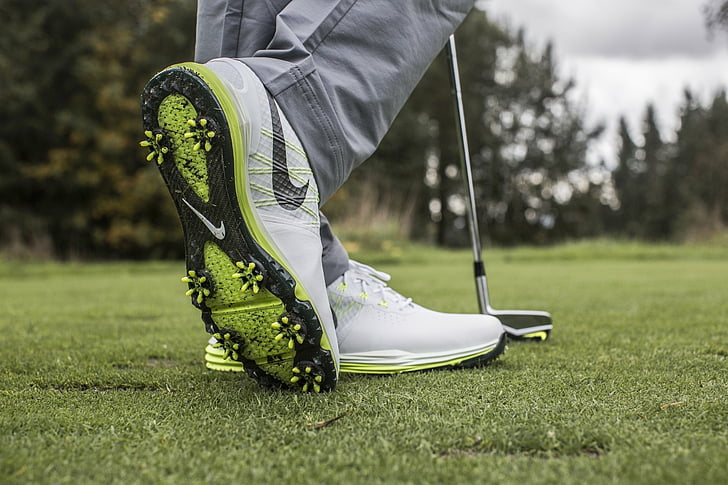
Choosing the right golf shoes involves more than finding a style you like. Your footwear needs to support your feet, provide reliable grip and remain comfortable throughout a round. Whether you regularly walk 18 holes or prefer using a golf trolley, a suitable pair can help you maintain a stable position and move confidently around the course.
Once you understand which features matter most, explore our best golf shoes recommendations for different playing needs to compare suitable options for comfort, grip and performance on the course.
This Golf Shoes Buying Guide explains the main features to look for before buying, including fit, materials, traction and protection against changing weather. You will also learn how spiked and spikeless designs differ, making it easier to find footwear that suits your playing habits and the courses you enjoy.
Does Having the Right Golf Shoes Matter?
Golf footwear is designed to meet the demands of the game, offering features that ordinary trainers may not provide. Walking across uneven fairways, standing on sloping ground and rotating during your swing all place different demands on your feet.
A suitable pair of golf shoes can provide better traction, support and comfort, helping you maintain a balanced stance when playing different shots. They can also make longer rounds more enjoyable by reducing unnecessary pressure on your feet.
There are several designs to choose from, including spiked, spikeless and waterproof golf shoes. Each has its own advantages, so your decision should depend on how often you play, the conditions you usually encounter and the level of support you prefer.
Key Factors to Consider in This Golf Shoes Buying Guide
Before choosing a pair, consider how the shoes will perform during a typical round. Appearance and price may influence your decision, but fit, grip and suitable construction should take priority.
1. Fit & Comfort
Comfort is one of the most important considerations when buying golf shoes. A round can involve several hours of walking and standing, so footwear that feels uncomfortable from the beginning is unlikely to improve as the day goes on.
Look for the following features:
- Proper arch support: A supportive footbed can help distribute pressure more comfortably across your feet.
- Cushioned insoles: Adequate cushioning can reduce the impact of walking across long fairways and uneven ground.
- Breathable materials: Suitable ventilation helps prevent your feet from becoming excessively warm during play.
- A secure fit: Your toes should have enough room to move, while your heel should remain comfortably in place without slipping.
Pro Tip: Try on golf shoes towards the end of the day, when your feet may be slightly larger, and wear the type of golf socks you normally use. Walk around in both shoes to check for pressure points and unwanted movement.
2. Material
The materials used in golf shoes influence their weight, flexibility, durability and resistance to moisture. Different constructions suit different playing conditions, so think about where and when you normally play.
Leather Golf Shoes
Leather footwear is often chosen for its structured feel, comfortable fit and durability. Depending on the leather treatment and shoe construction, it can also offer useful protection against moisture.
These shoes may suit golfers who prefer a traditional appearance and a more substantial feel. However, leather models can require additional care, and some designs may feel heavier than synthetic alternatives.
Synthetic Golf Shoes
Synthetic materials are used in many modern golf shoes because they allow manufacturers to create lightweight designs with different levels of flexibility and support. As highlighted in this Golf Shoes Buying Guide, the quality of construction can make a difference to how comfortable and practical these shoes are.
They can also be easier to clean, although their durability and water resistance vary between models. Some synthetic shoes include waterproof membranes, while others are designed primarily for breathability.
If you regularly play in changing weather, check the manufacturer’s water-resistance or waterproofing details rather than assuming that a particular material provides complete protection.
3. Traction & Grip
A secure connection with the ground helps you maintain your stance during the golf swing. Your feet need to remain stable as your body rotates, transfers weight and moves towards the target.
The outsole plays an important role in this. Its design, rubber compound and traction elements determine how well the shoe grips different surfaces.
Golf shoes generally fall into two main categories:
Spiked Golf Shoes
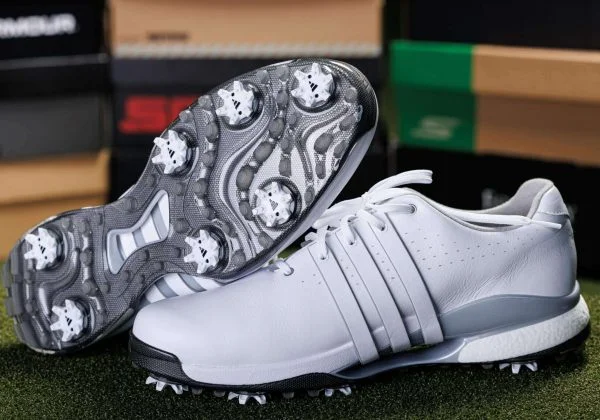
Spiked designs use small cleats fitted to the outsole to create grip against the ground. These can be particularly useful on damp fairways, softer turf and sloping areas where extra traction is welcome.
Compare different designs in our guide to the best spiked golf shoes to find options that offer the traction and support you need on the course.
Many models feature removable spikes, allowing worn cleats to be replaced when necessary. However, the feel and comfort of spiked shoes can vary depending on their construction and the type of spikes used.
Spikeless Golf Shoes
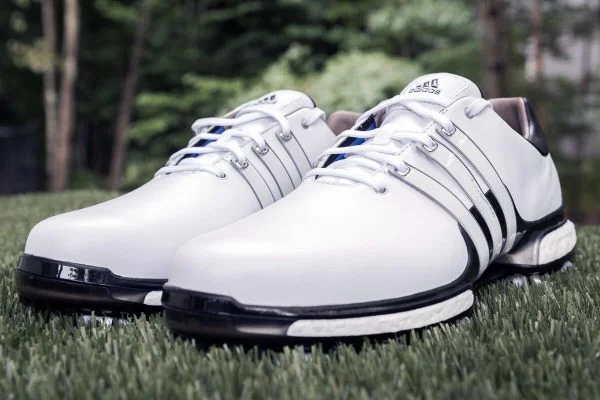
Spikeless shoes use shaped rubber patterns or traction lugs instead of traditional cleats. Their outsole designs offer grip while often providing a more flexible feel for everyday walking.
For a closer look at lightweight and versatile options, explore our recommendations for the best spikeless golf shoes.
They can also be convenient when moving between the course and the clubhouse, although club policies may differ. Their performance on wet or slippery ground depends on the tread design and the conditions underfoot.
4. Flexibility & Stability
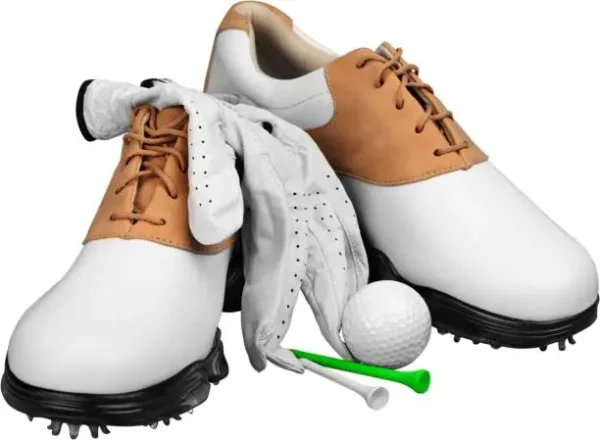
Golf shoes need to allow natural foot movement while providing enough support for a balanced swing. A design that feels excessively rigid may restrict your movement, whereas footwear with insufficient structure might not offer the support you prefer.
When comparing different models, pay attention to:
- Supportive midsole: Provides structure and cushioning beneath your feet.
- Flexible forefoot: Allows your toes to move naturally as you walk.
- Lateral support: Helps your feet remain secure when shifting your weight during a swing.
- Heel support: Keeps your foot comfortably in place and helps prevent slipping inside the shoe.
Try walking and making a few golf-style movements when testing a pair. The shoes should feel supportive without restricting your natural movement.
5. Durability & Value
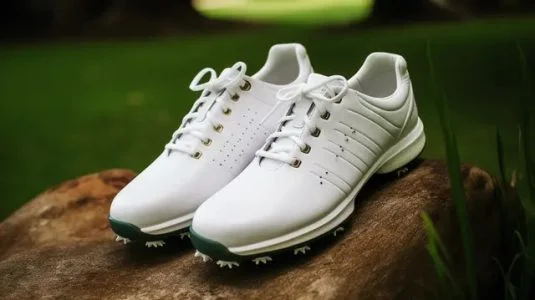
Golf shoes can experience considerable wear from regular walking, repeated swings and exposure to different course conditions. Choosing a well-constructed pair can help you get more use from your purchase. As part of this Golf Shoes Buying Guide, durability is an important factor to consider, particularly if you play regularly.
Pay attention to the quality of the outsole, the stitching, the upper materials and the way the shoe is joined together. Reinforced areas around the toe and heel can also be useful, particularly if you play frequently.
Price alone is not a reliable indication of durability. A more expensive design is not automatically the best option for every golfer. Look for a combination of construction quality, comfort and features that match your playing requirements.
Spiked Golf Shoes vs. Spikeless Golf Shoes
Both styles can work well on the golf course, but they offer different types of traction and convenience. Understanding how they compare can help you choose the design that suits your normal playing conditions.
1. Spiked Golf Shoes
Spiked golf shoes use cleats on the outsole to grip the ground. They can be particularly helpful when playing on soft turf, damp fairways or uneven terrain, where maintaining a secure stance is important.
Their cleats provide additional contact with the ground, which can help reduce slipping during the swing. Many models allow you to replace the spikes when they become worn, although this does mean checking their condition from time to time.
The main consideration is that spiked shoes may feel less convenient away from the course, depending on their design. They also require occasional maintenance to keep the cleats in good condition.
2. Spikeless Golf Shoes
Spikeless golf shoes offer a different approach to grip, using moulded patterns and rubber traction elements across the outsole. They are often chosen by golfers who value flexibility, comfortable walking and footwear that can be worn away from the course.
Their lighter construction and flexible feel may appeal to players who walk regularly or prefer a less structured design. However, traction can vary considerably between models, and some may provide less grip than spiked footwear on particularly soft or slippery ground.
The best choice depends on your usual playing environment. Spiked shoes may be worth considering when extra grip is a priority, while spikeless models can be a practical option for everyday comfort and versatility.
Best Golf Shoes for Different Weather Conditions
The weather can influence which type of golf shoe feels most suitable. A design that works well during a warm summer round may not provide the protection you need when playing in rain or on damp ground.
This Golf Shoes Buying Guide for golfers also considers how different footwear options perform across changing weather conditions.
Consider these conditions before making your choice.
1. Hot Weather

When temperatures rise, breathable footwear can help keep your feet more comfortable throughout the round. Lightweight uppers, mesh panels and ventilation features allow air to circulate and may help reduce heat build-up.
You may also want to consider moisture-managing linings and removable insoles, particularly if your feet tend to become warm during long periods of walking.
2. Wet Conditions
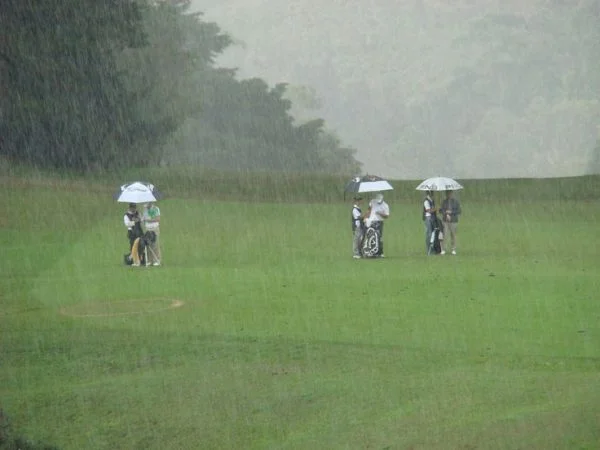
If you frequently play during rainy weather or on courses with damp fairways, look for golf shoes with clearly stated waterproof protection. Sealed construction, waterproof membranes and treated uppers can help prevent water from reaching your feet.
Our guide to the best waterproof golf shoes explores footwear designed to help keep your feet dry during rainy rounds and on damp fairways.
Traction is another important consideration. Spiked models may provide additional grip on soft ground, although the outsole design and condition of the cleats also matter.
3. All Seasons
For golfers who play throughout the year, a versatile pair can offer a useful balance between comfort, grip and weather protection.
Consider footwear that provides sufficient water resistance for typical course conditions without feeling too warm during milder weather. Removable insoles, easy-to-clean uppers and replaceable spikes, where available, can also make maintenance more straightforward.
Our Top Recommendations
Once you understand the features that matter, the next step is comparing actual golf shoe models. The right shortlist should include options for different budgets, playing styles and course conditions rather than focusing on one particular design.
We have separate recommendations to help you narrow down your choices:
- Best Golf Shoes: Comparison of options suited to different golfers.
- Best Spiked Golf Shoes: Compare models designed for golfers who prioritise dependable traction and a secure stance.
- Best Spikeless Golf Shoes: Discover versatile options for players who value comfortable walking and a flexible feel.
Reading individual reviews alongside this buying guide can help you compare the fit, construction and features of each model before making your decision.
Conclusion About Golf Shoes Buying Guide
Choosing suitable golf footwear means finding the right balance between comfort, grip, support and durability. The best option is not necessarily the most expensive pair or the one with the most features. It is the design that feels comfortable, performs well in your usual playing conditions and supports the way you move around the course.
Before buying, pay attention to the fit, outsole design, materials and level of weather protection. Think about whether spiked or spikeless footwear better suits your needs, and try different styles to find a secure and comfortable fit.
Use this Golf Shoes Buying Guide as a starting point, then compare individual models to find a pair that complements your game. Good footwear will not replace sound technique, but it can make your time on the course more comfortable and enjoyable.