Struggling to stay cool on the course? This beginner’s guide to golf maturity teaches emotional control, body language, and mental reset strategies—so you can play with confidence, even when your score isn’t perfect.
Golf Is a Mental Game—Here’s How to Stay in Control
Golf doesn’t just test your swing—it tests your self-control, especially when things go wrong. Missed shots. Triple bogeys. Topped drives. Every golfer faces setbacks. But what really matters isn’t the mistake. It’s how you respond after.
This guide is all about helping beginner golfers develop emotional control, stay composed under pressure, and carry themselves like seasoned players—even on their worst rounds.
Because the truth is: how you carry yourself on the golf course sticks with people longer than your score.

Why Emotional Control Is a Game-Changer in Golf
You’ve heard the phrase “Golf is 90% mental.”
There’s a reason pros walk with calm, focused energy. It’s not luck—it’s mindset training.
1.Emotional stability
2.Poise under pressure
3. Resetting after a bad hole
These traits don’t just improve performance. They build quiet respect. Golf maturity isn’t about perfection.
It’s about being the calmest player in your group—even if you’re shooting the highest score.

The Top Signs of Golf Maturity (Beginners, Take Notes!)
Golf maturity doesn’t mean being robotic. It means keeping your cool when the game isn’t going your way.
Here’s what it looks like in real life:
- No club throwing
- No swearing after a bad shot
- A calm walk between shots
- Encouraging others, even when you’re down
- Resetting without drama
- Maintaining good posture and energy
This isn’t just good etiquette—it’s part of developing your golf presence.

Why Most Beginners Struggle with Golf Emotionally
Let’s be honest—every beginner has felt this:
Bad shot → Frustration → Tension → More bad shots → Self-doubt → Mental collapse
It’s a cycle. And if you don’t break it early, it turns every round into a confidence killer.
Warning: “Bad Body Language” Is Hurting Your Game More Than You Think
Have you ever stomped after a missed putt?
Huffed and puffed after a bad drive?
Slumped your shoulders after a triple bogey?
You may not realize it, but other players notice your energy. And worse—you’re letting your mindset spiral.
Body language on the course = silent communication.
Even in casual rounds, your posture and attitude leave an impression.
If you want to level up as a golfer, mastering your emotions is just as important as fixing your swing. Here’s how to start:
1. Use a Pre-Shot Mantra
Before every shot, quietly repeat one phrase to yourself. This helps reset your brain.
Examples:
- “Smooth and steady.”
- “Focus, breathe, commit.”
- “One swing, one shot.”
Your brain leads your body. So give it direction.

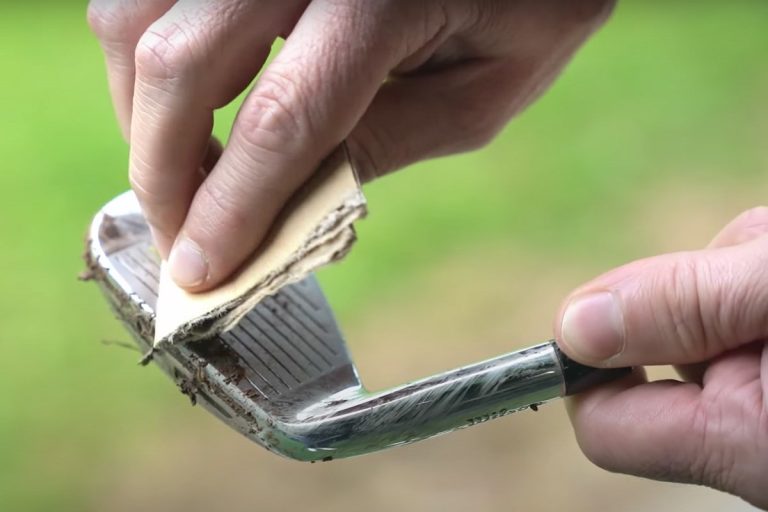
2. Create a Post-Shot Reset Routine
Missed a shot? Instead of reacting emotionally, follow this simple ritual:
- Wipe your club clean
- Take 3 slow steps away
- Inhale through your nose
- Say silently: “Next shot, better shot.”
This resets your nervous system. It’s not ignoring the miss—it’s training yourself to move on.

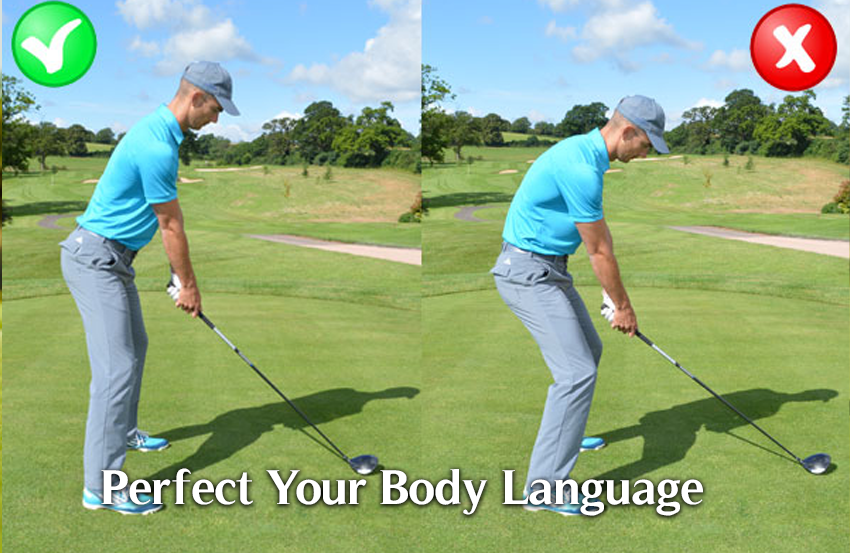
3. Perfect Your Body Language
Good body language builds presence and respect.
- Walk tall—even after a double bogey
- Hold your finish, no matter the result
- Smile once in a while (real ones count)
Your posture becomes your confidence. And confident players play better golf.

4. Be a Source of Good Energy
- Even when your score’s a mess, try this:
- Compliment a partner’s drive
- Laugh at your own bad shot
- Keep the group’s mood light
Emotional leadership on the course makes people want to play with you again.

5. Real Talk: No One’s Watching That Closely
You’re not on national TV. You’re not in the Masters.
Most people are too busy with their own shots to judge yours.
Stop obsessing over every mistake.
Shift your energy from performance to presence. That’s where true growth begins.

When You Master Your Mindset, Golf Changes for Good
Here’s what happens when you bring emotional control to the course:
- You stop spiraling after bad holes
- You focus better under pressure
- You feel more confident overall
- You become a player others admire
Golf maturity = long-term improvement.
It’s not just a mental tip.
It’s a winning strategy for every round—competitive or casual.
Your Golf Maturity Challenge (Start Today!)
Want to get better fast?
- Pick a pre-shot mantra
- Practice a reset routine
- Track how your emotions shift over 18 holes
- Reflect in a golf journal or scorecard notes
- Repeat weekly, like a pro sharpening their edge
Remember: You’re not “fixing” your emotions. You’re training them.
Final Words: Golf Maturity Is Your Quiet Superpower
Whether you shoot 75 or 115, your real reputation is built in how you handle yourself—not how far you drive. Golf doesn’t just reveal character. It shapes it. So next time you top a shot or blow a hole, pause. Breathe. Reset. Walk tall. Because the mature golfer doesn’t just play better—they carry the kind of presence that lasts.
And that? That’s what makes the game worth playing.
For more beginner-friendly golf guides, mindset tips, and gear reviews, visit www.GolfersTee.com — helping you grow your game from the inside out.