Turn molasses-speed turf into your secret advantage with rhythm drills, pace control, and confidence-building habits. Putting tips for slow greens, learn how to control speed, master putting tempo, and build confidence with drills for consistent putting accuracy.
When Patience Meets the Putter
Every golfer knows the pain of slow greens. You strike the perfect line, the ball rolls halfway, then stops as if the turf grabbed it. Suddenly, your smooth round turns into a battle of frustration, blame, and disbelief.
But here’s the truth: slow greens aren’t your enemy, impatience is.
Learning how to putt on slow greens is one of the best ways to elevate your game. It forces you to refine your rhythm, sharpen your touch, and train your mind to stay calm under pressure. When you master pace and mindset, slow greens stop being a problem — they become your advantage.
This guide breaks down everything you need to know: from tempo drills and gear adjustments to mental focus and confidence habits that transform your putting game.

The Tempo Trap: Why Slow Greens Break More Than Scores
Let’s be honest — slow greens can destroy your flow. You start strong, miss a few short ones, and suddenly you’re questioning your entire putting stroke. Here’s the chain reaction that happens to almost every golfer:
- Slow greens → missed putts
- Missed putts → higher scores
- Higher scores → frustration
- Frustration → lost confidence
And when your confidence goes, your body tightens, your reads suffer, and your group stops trusting your reads. That’s when a bad green starts breaking more than your score — it breaks your rhythm.
So what’s the fix? Tempo.
If you can control your tempo, you can control the putt. Slow greens require a longer, smoother stroke — not a jab. Think rhythm, not reaction. Your goal is to match energy with patience.

Learn to Listen to the Green, Not Fight It
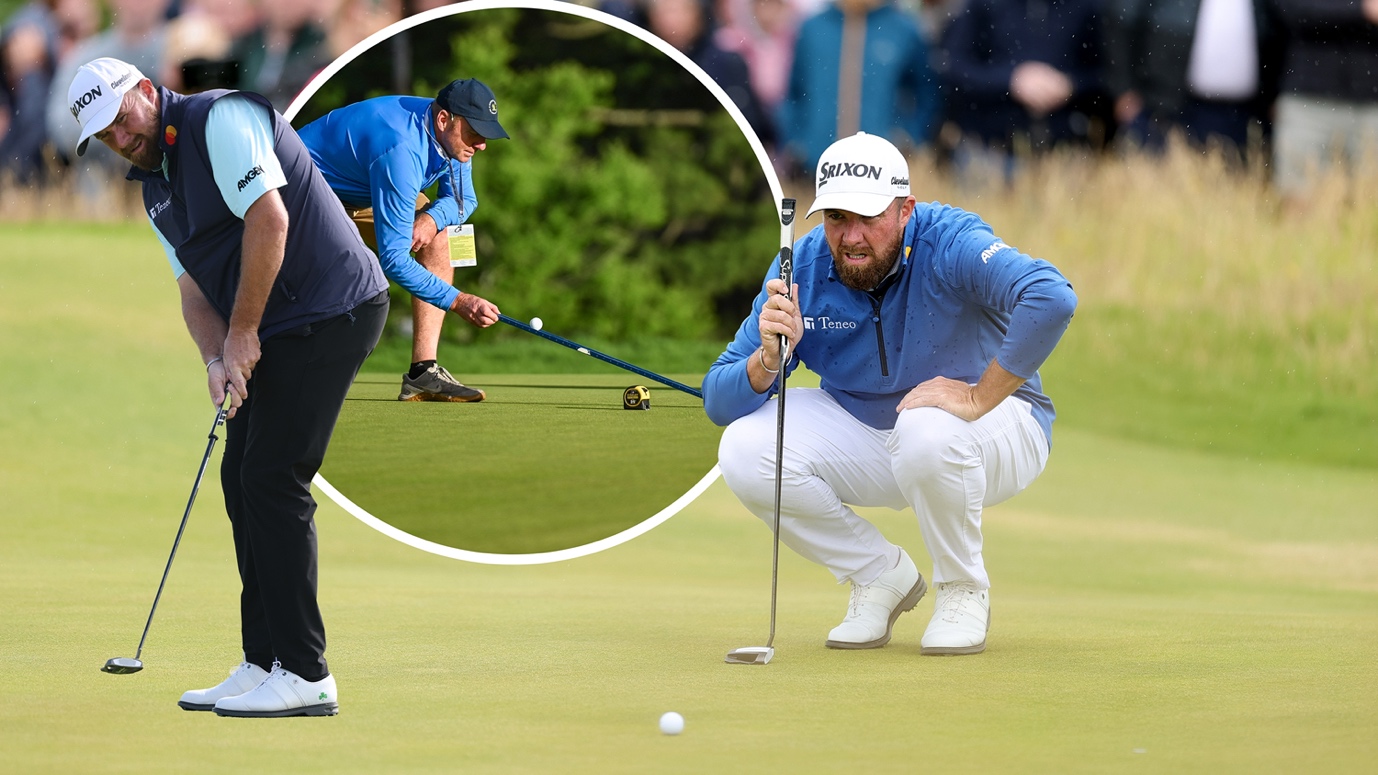
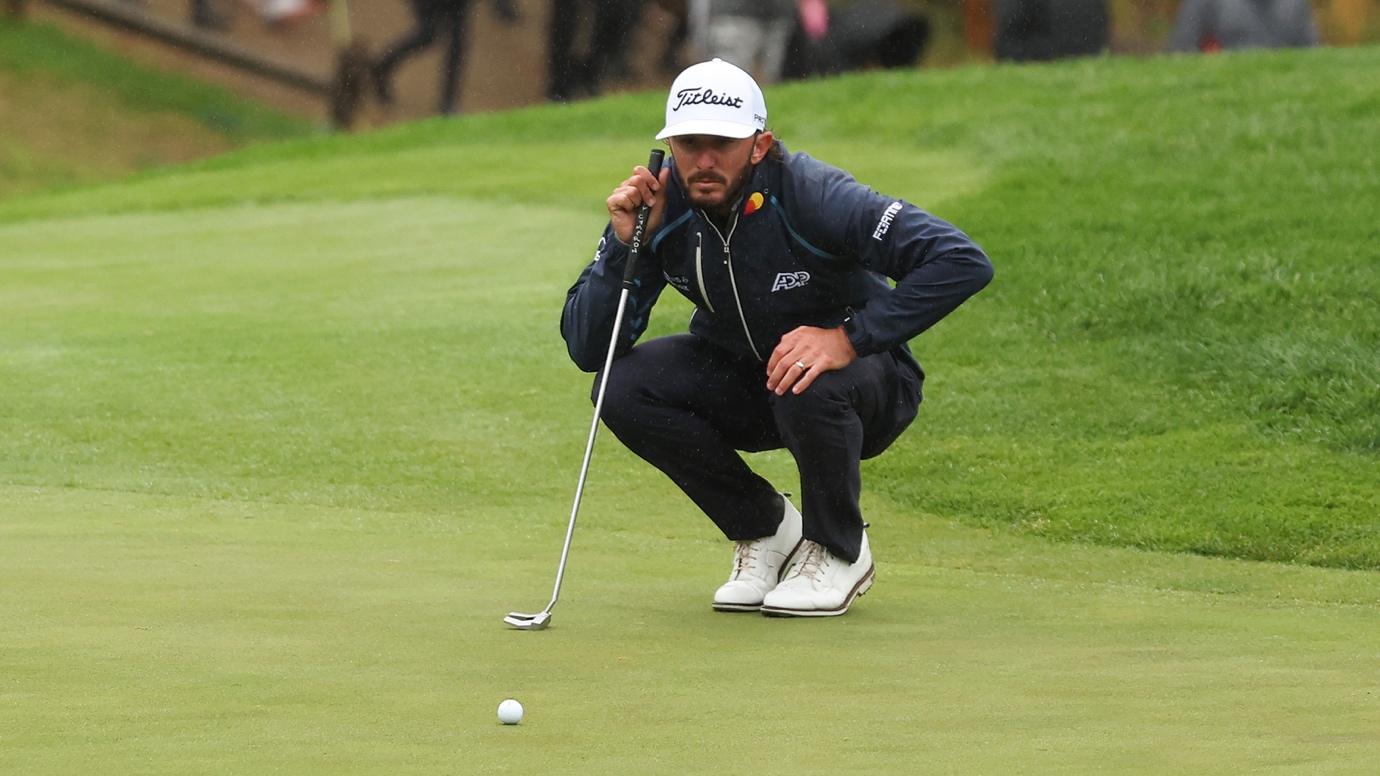
One of the best putting tips for slow greens is learning to read the turf ,not just with your eyes, but with your body.
Your eyes can lie, but your feet never do.
When you walk the green, pay attention to how it feels. If it’s soft and spongy, you’re likely on a slower surface. Adjust your mindset right there. Don’t try to overpower it. Adapt.
Here’s how to align your setup:
- Add a little more pace — but stay controlled. You’re accelerating through the ball, not slapping it.
- Extend your follow-through. Tentative strokes die early; longer follow-throughs keep the ball rolling.
- Commit to the line. No second-guessing once you’re over the ball — confidence is your best swing aid.
- Feel the speed in practice swings. Don’t think numbers; think rhythm.
Modern golf isn’t about complaining about conditions — it’s about adapting. The best players thrive because they accept the green as it is and make it work for them.

Calm Beats Chaos: Putting Drills That Build Touch and Trust
To get better on slow greens, you need drills that train feel and rhythm. These classic putting drills are simple but deadly effective — used by pros and coaches everywhere.
1. Gate Drill
Set two tees just wider than your putter’s head, 2–3 feet from the hole. Roll the ball cleanly through the “gate.”
Builds pure contact and keeps your stroke square.
2. Ladder Drill
Set up targets at 3, 6, 9, and 12 feet. Try to stop the ball as close as possible to each target without passing it.
Sharpens touch and distance control — essential for slow greens.
3. One-Handed Drill
Use your trail hand only (right for right-handed players). Focus on rhythm, not power.
Trains natural feel and tempo control.
4. Clock-Face Drill
Set 6–8 balls around the hole like clock points (3–6 feet out). Putt each one — you’ll face uphill, downhill, and sidehill reads.
Builds confidence from all angles.
5. Eyes-Closed Drill
Take 3 balls, hit each putt with your eyes closed. Feel the strike.
Teaches you to trust instinct and rhythm over mechanics.
Do these drills consistently, and you’ll never fear a slow green again. Remember — skill beats hope.

Small Tools, Big Results: Training Aids That Build Feel
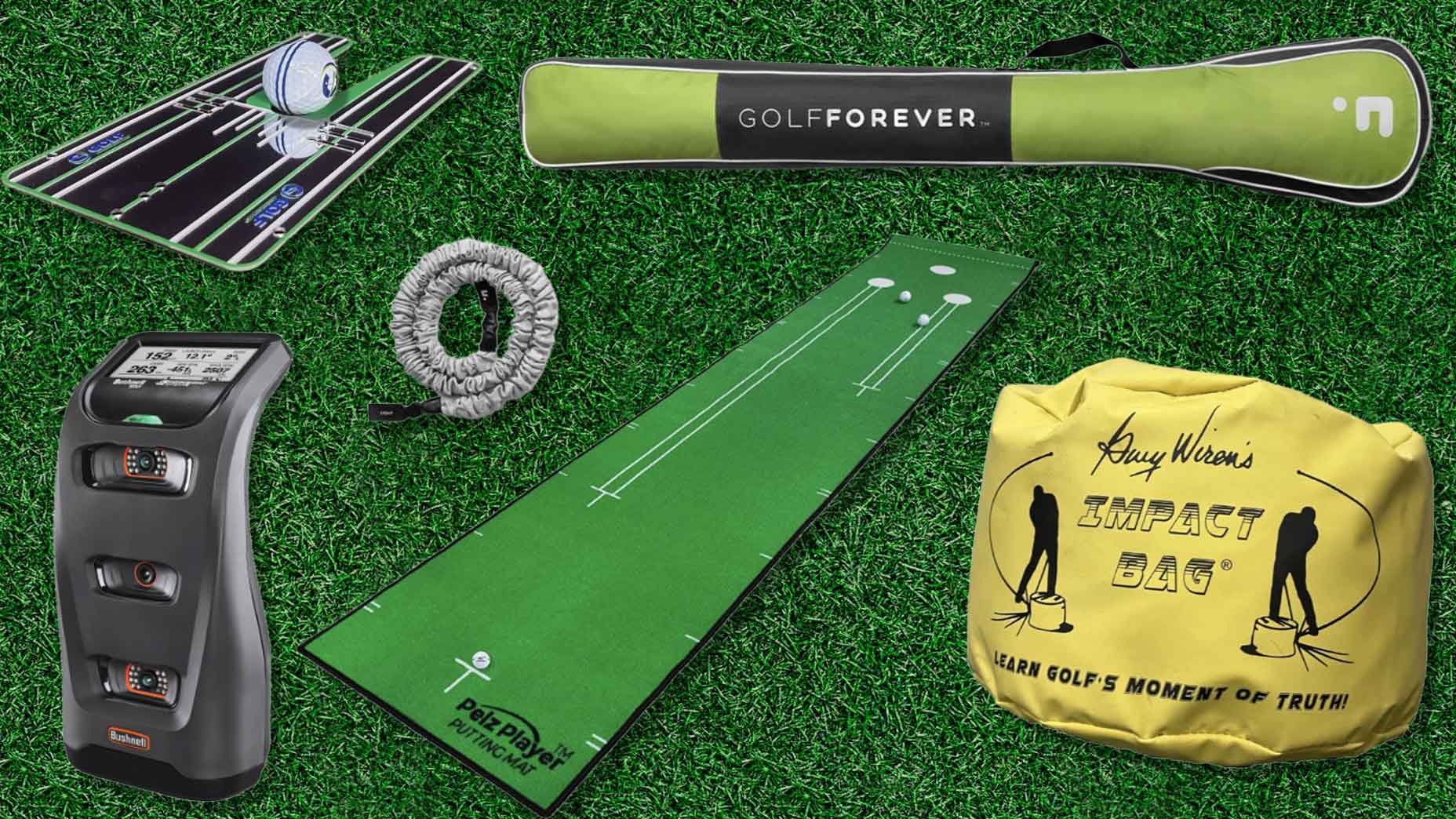
While practice is key, using the right putting training aids can make a huge difference — especially when you can’t hit the course daily.
Here’s how to bring the green home:
- Putting mats: Replicate slow green conditions for realistic feedback indoors.
- Alignment sticks: Help you groove a square stroke and consistent path.
- Heavier putter heads: Increase momentum and help the ball roll smoother on slow greens.
- Golf ball markers with lines: Reinforce focus on target alignment.
Before you buy anything, check golf equipment reviews and ensure the gear suits your stroke type. The goal is to train your senses, not rely on gadgets.

Mind Over Misses: The Psychology of Slow Greens
Slow greens don’t just challenge your touch — they test your patience.
The difference between a good putter and a great one isn’t mechanics. It’s mindset.
When you doubt your stroke, your body tenses up. You decelerate. The ball stops short.
When you trust it, your movement stays smooth and confident. You roll it true.
To build that mental edge:
- Visualize success before the putt. See the ball dropping.
- Breathe before every stroke. Calm body = calm tempo.
- Forget the last miss. Every putt is a new challenge, not a continuation.
- Celebrate rhythm, not results. A solid stroke matters more than a lucky lip-in.
These aren’t just golf tips — they’re performance habits. The best players treat each putt like a fresh start, regardless of speed or slope.

Adaptation Is a Status: How Pros Handle Slow Greens
Watch any pro tournament, and you’ll see players constantly adjusting.
When greens run slow after rain, they don’t complain — they recalibrate.
- They tighten their rhythm instead of adding force.
- They lengthen strokes for smoother acceleration.
- They rely on pre-shot routines to build consistency.
Adapting to conditions is a badge of maturity. Golf is a blend of skill and social respect — and nothing earns respect faster than a player who thrives when others struggle.
Handle slow greens well, and suddenly you’re not the frustrated golfer — you’re the one everyone watches for clues.

Reset Rituals: How to Turn Frustration Into Flow
Every golfer hits that point: the missed short putt, the muttered words, the self-blame. Slow greens magnify frustration, but the best players turn that energy into focus.
Here’s how:
- Create a reset routine. Step back, take a breath, refocus on your next line.
- Journal your rounds. Note how green speed affects your putts — awareness builds improvement.
- Practice pace weekly. Whether at the course or at home, repetition keeps touch sharp.
- Rotate between slow and fast surfaces. That adaptability carries into every course you play.
Remember: Consistency beats conditions. You can’t control green speed — but you can control preparation and patience.

Gear Up Like a Pro: Tools That Make Slow Greens Feel Easy
Your equipment should match your environment. For slow greens, try these gear adjustments that make your stroke smoother and more efficient:
- Heavier putters: Improve roll and reduce wrist breakdown.
- Softer golf balls: Create better feel and distance control.
- Proper grip pressure: Light grip encourages fluid movement.
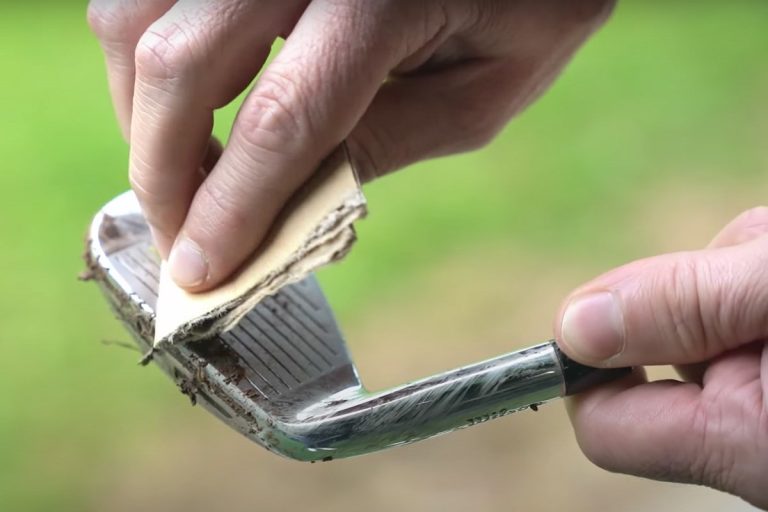
- Clean putter face: Dirt and moisture kill roll on slow turf.
The right combination helps your ball glide, not grind. It’s not about buying the most expensive putter — it’s about choosing the one that fits your tempo and confidence.
Confidence Is a Skill, Build It Like One
Slow greens test your patience, but they also build your resilience. Confidence doesn’t come from lucky putts; it comes from deliberate practice and a calm approach.
So next time you face a lag putt on a sluggish surface, remind yourself:
“I’ve trained for this. My tempo is my strength.”
Because when you trust your rhythm, even the slowest greens can’t stop your game.
Closing Note: Master the Surface, Master Yourself
Every course has its challenges. Some days it’s wind; others, it’s speed. But the great golfers know — the real game is mental.
The best putting tips for slow greens aren’t about hitting harder. They’re about patience, focus, and consistency. Practice with purpose. Use the right tools. Stay calm under pressure.
Slow greens don’t ruin rounds — excuses do.
Equip yourself, stay disciplined, and roll every putt like the green owes you one.

FAQs
- What are the best putting tips for slow greens?
Use a longer follow-through, focus on tempo, and accelerate through the ball. Add a bit more pace, but stay smooth.
- How can I improve putting accuracy on slow greens?
Do drills like ladder drills, gate drills, and one-handed putts to build feel and touch. These sharpen your ability to judge distance precisely.
- Why are slow greens harder to putt on?
They require more pace and commitment. Without proper rhythm, putts tend to come up short or lose line.
- Can putting training aids help with slow green practice?
Absolutely. Putting mats, alignment sticks, and heavy putters simulate real course conditions and build consistency.
- Are slow greens more common for beginners?
Yes, many public and municipal courses have slower greens. Mastering pace early builds confidence for any surface speed.