Putting tips for slow greens that sharpen touch, boost accuracy, and restore confidence. Learn drills, gear, and habits pros swear by.
Sluggish greens aren’t your excuse they’re your training ground. These putting tips for slow greens keep your ball (and your confidence) rolling.
when the green feels like quicksand
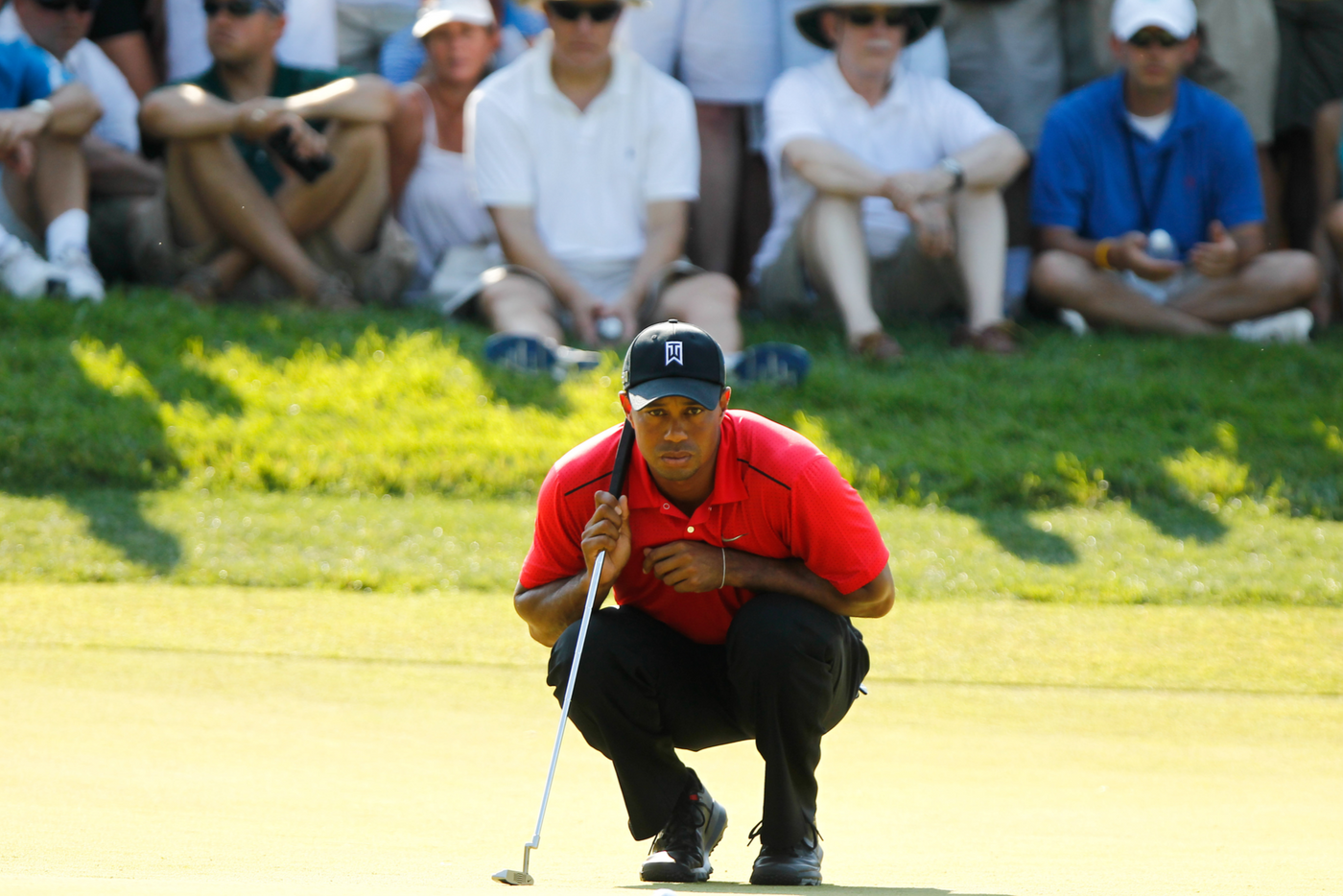
Nothing humbles golfers like a slow green. You roll the putt, watch it crawl a foot short, and suddenly you’re the guy telling stories about “bad conditions” instead of making pars. That’s why putting tips for slow greens matter. They keep you from blaming the turf and start building the rhythm, accuracy, and swagger that make you look like you belong on the leaderboard.

Why slow greens crush your scorecard (and your ego)
The ugly domino effect looks like this:
- Slower greens → missed putts.
- Missed putts → higher scores.
- Higher scores → frustration and loss of confidence.
- Lost confidence → social embarrassment when your foursome stops taking your reads seriously.
This isn’t just about speed. It’s about respect from your game and from the group. That’s why dialing in with smart golf putting tips is a non-negotiable.
Feel the surface like a pro (no excuses)
Your eyes will lie. Your feet won’t. Walk the putt line slowly if it feels like a carpet in grandma’s living room, you’re on a slow green. Adjust accordingly:
- Add pace without getting reckless.
- Extend your follow-through tentative strokes die early.
- Commit to the line no second-guessing mid-stroke.
These aren’t gimmicks. They’re timeless moves from the playbook of pros who know modern golf trends are all about adapting, not complaining.

Drills that make slow greens your comfort zone
Skill beats hope. Add these best putting drills to your practice routine:
- Gate drill: Two tees form a path to the hole. Forces pure contact.
- Ladder drill: Putt to targets at increasing distances. Builds touch.
- One-handed putts: Trail hand only. Trains rhythm and pace.
- Clock-face drill: Circle the hole with short putts from every angle.
These aren’t Instagram-worthy, but they’re effective. Do them regularly and you’ll improve putting accuracy without praying for fast greens.
Tools that help (because talent loves backup)
Skill first, but don’t ignore the gear:
- Golf training aids like alignment sticks or putting mats replicate slow surfaces.
- Affordable golf drills at home keep your touch sharp when you can’t practice outdoors.
- Putter upgrades with heavier heads? A secret weapon for sluggish greens.
The smartest players pair practice with tools. That’s why seasoned golfers never buy before reading golf equipment reviews they want proof, not promises.
Confidence is the hidden stat you’re chasing
Slow greens don’t just mess with your ball they mess with your mind. The golfer who doubts the stroke always misses. The golfer who trusts? He drains it. These golf tips for beginners aren’t just technical. They’re psychological. Build the habit of committing fully, and suddenly slow greens become your edge, not your excuse.
Why respect follows the golfer who adapts
Golf is half technical, half social. If you can’t handle slow greens, your partners notice. Miss too many, and you slide from “threat” to “charity case.” Mastering putting tips for slow greens doesn’t just lower your scores it raises your credibility. And in golf, credibility gets you invited back.

Habits that turn frustration into confidence
Don’t treat slow greens like a surprise. Build routines:
- Practice pace drills weekly.
- Rotate between outdoor sessions and golf drills at home.
- Journal rounds track how slope + speed affected your putts.
Consistency beats conditions. And when you master habits, you don’t just adapt to greens you own them.
Conclusion: stop blaming the turf
The putting tips for slow greens that matter aren’t flashy. They’re about patience, drills, and smart tools. Learn them, and you’ll never fear sluggish surfaces again. 15 Slow greens don’t ruin games. Excuses do. Equip yourself, practice deliberately, and roll every putt like the green owes you a favor.

FAQs
What are the best putting tips for slow greens?
Hit putts with a longer follow-through, commit to your line, and practice drills that build pace control.
How can I improve putting accuracy on slow greens?
Use best putting drills like ladder drills and gate drills. These sharpen touch and help you adjust to sluggish conditions.
Why are slow greens harder to putt on?
They require more force and confidence. Without proper adjustment, players leave putts short or overcompensate with jerky strokes.
Can golf training aids help with slow green practice?
Yes. Tools like putting mats and alignment sticks simulate green conditions and reinforce consistency.
Are slow greens common for beginners?
Yes, many public courses run slower. Learning golf tips for beginners that address pace builds confidence across different surfaces.