
Struggling to get your golf swing right? Learning the correct technique takes time, but a few simple adjustments can make a real difference. From improving your grip and posture to developing a smoother swing, the right fundamentals can help you strike the ball more consistently. This beginner-friendly guide covers five practical steps, useful practice drills …

Struggling to get your golf swing right? Learning the correct technique takes time, but a few simple adjustments can make a real difference. From improving your grip and posture to developing a smoother swing, the right fundamentals can help you strike the ball more consistently. This beginner-friendly guide covers five practical steps, useful practice drills and equipment advice to help you build accuracy, distance and confidence on the course.
Before the Strike: Every Golfer Starts with a Shank
Even the most accomplished golfers have experienced disappointing shots. A poor strike, an awkward swing or a ball disappearing into the rough can happen to anyone. The difference comes from understanding what went wrong and knowing how to improve.
When you are learning golf, it is easy to become frustrated when your shots do not match your expectations. You might struggle to make clean contact one day and find your rhythm again during the next practice session.
The key is to remember that a reliable golf swing develops through patience, practice and a good understanding of the fundamentals.
Improving your swing is a gradual process, so give yourself time to develop the right technique. Focus on building a technique that feels comfortable, repeatable and suited to your ability.

Golf Swing Isn’t Just Mechanics, It’s Mentality
When you first pick up a golf club, making a proper swing can feel surprisingly complicated. You have to think about your grip, stance, balance and timing, all while trying to strike a relatively small ball.
It is perfectly normal to miss the ball, hit an unexpected shot or struggle to find consistency during your first few rounds.
However, improving your golf swing is not simply about learning the correct movements. The way you think and approach each shot can also influence your performance. Becoming frustrated after every poor shot can make it harder to concentrate and develop good habits.
The golf swing involves several movements working together. Once you understand the basic mechanics and practise them regularly, the process becomes easier to manage.
This guide breaks the technique down into five straightforward steps to help you develop a more reliable swing without overcomplicating things.
Why a Consistent Swing Is the Key to Playing Better Golf
One well-struck shot does not automatically mean you have mastered a consistent golf swing. The real challenge is repeating that movement throughout a round.
A consistent swing helps you understand how your clubs perform and gives you greater control over the direction and flight of the ball.
As your technique improves, you may notice several benefits:
- Straighter shots with more reliable contact.
- Better control over distance and ball flight.
- Improved balance throughout your swing.
- Greater confidence when approaching each shot.
You do not need to swing as hard as possible to achieve better results. Good timing, balance and technique are far more useful starting points for beginners.
Let’s look at five practical steps that can help you develop a more consistent golf swing.
Step 1: Get a Grip: Literally
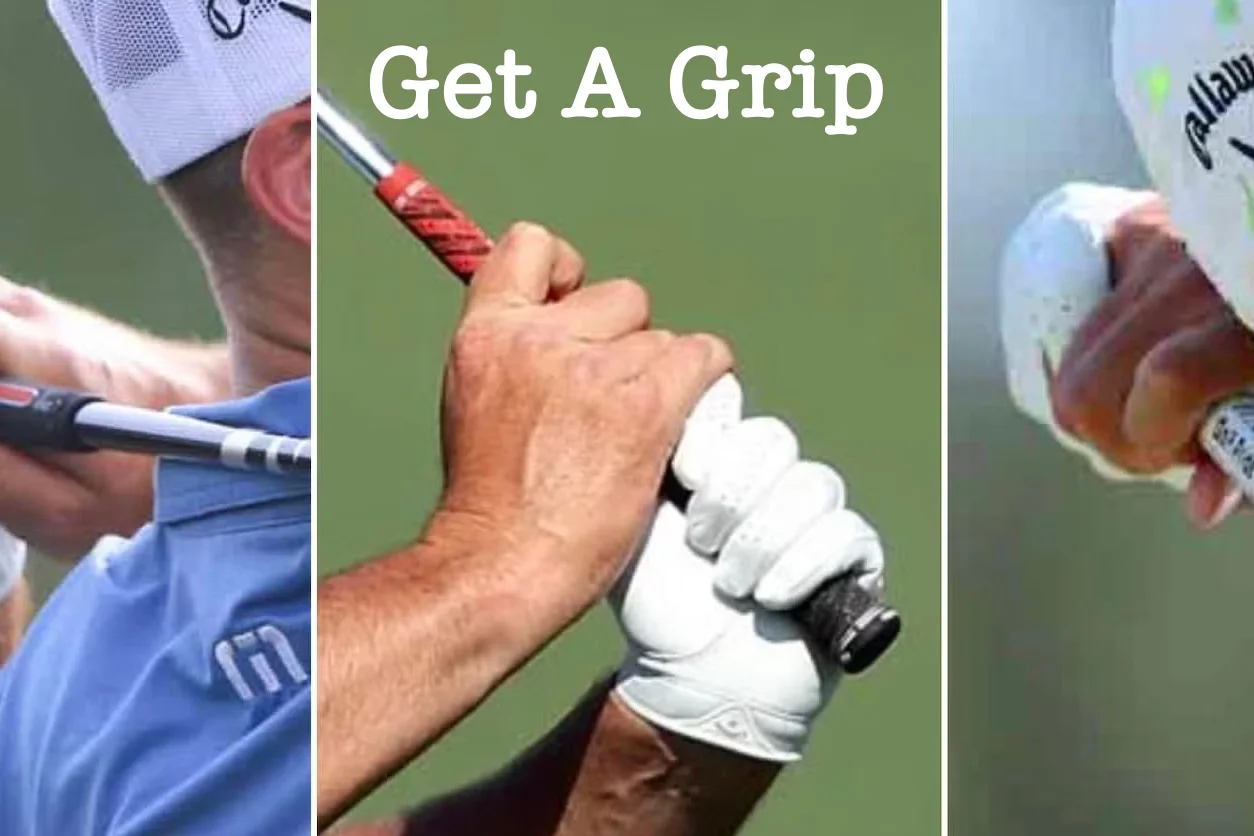
Your hands provide the only point of contact with the club, so getting your grip right is essential. An unsuitable hand position can affect the clubface alignment and make it difficult to direct the ball accurately.
Beginners should familiarise themselves with three widely used golf grip styles:
- Overlapping Grip: Also known as the Vardon grip, this involves placing the little finger of your trailing hand over the index finger of your leading hand. It is widely used by golfers and can provide a comfortable, connected feel.
- Interlocking Grip: The little finger of your trailing hand interlocks with the index finger of your leading hand. It can suit golfers who prefer their hands to feel more connected, including those with smaller hands.
- Ten-Finger Grip: Often referred to as the baseball grip, this style places all ten fingers separately on the handle. Its straightforward positioning can make it a comfortable starting option for golfers who are new to the game.
The most suitable grip depends on your comfort, hand size and playing style; there is no universal choice for every golfer. Try each option and find one that allows you to hold the club securely without creating unnecessary tension.
Choosing the right equipment is also important when learning the game, so understanding the different types of best golf clubs can help you make better decisions.
Step 2: Posture = Power
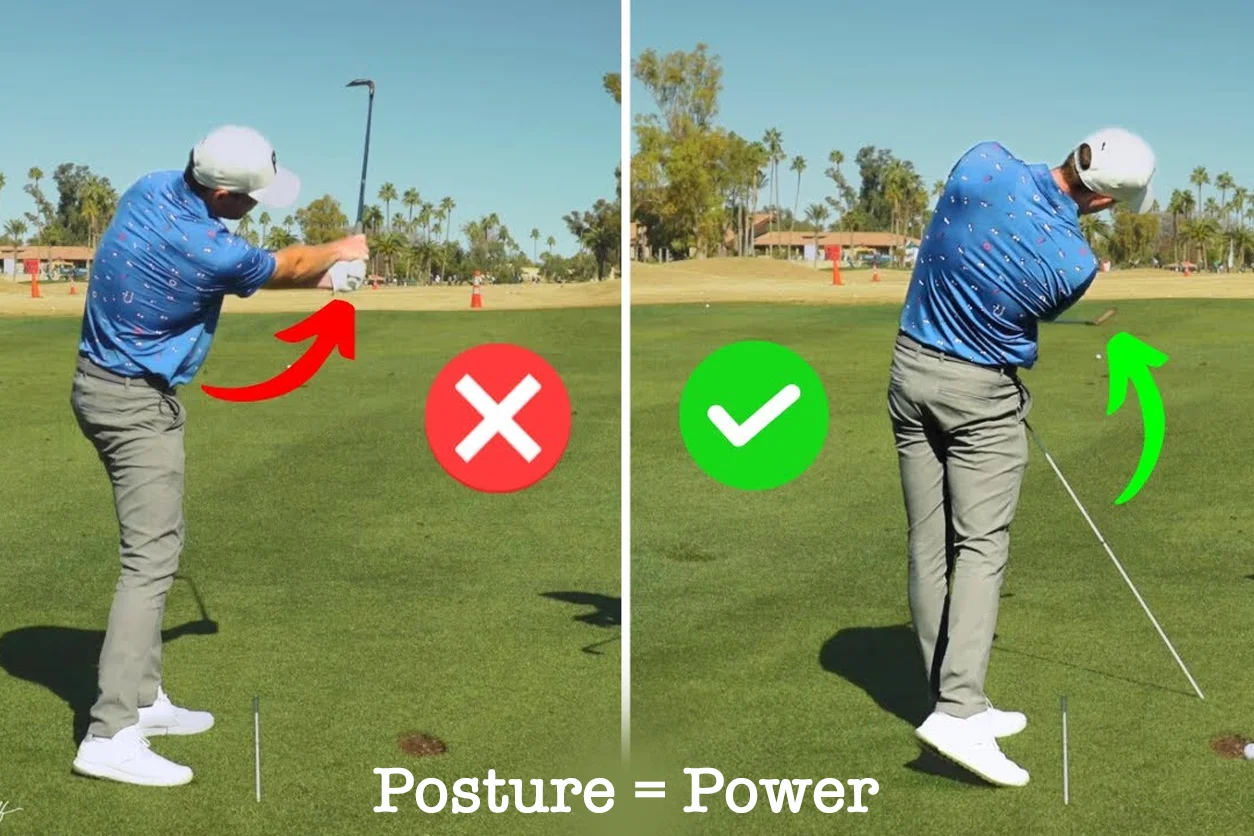
Your posture influences how comfortably you can move throughout the golf swing. If you stand too upright or bend excessively, it can become difficult to maintain balance and make consistent contact with the ball. Your posture and balance also influence how far you hit each club, which is why it helps to understand the typical distances of golf clubs.
A good starting position should feel relaxed and balanced rather than stiff.
Easy Golf Swing Posture Drill:
- Stand with your feet approximately shoulder-width apart.
- Bend forwards slightly from your hips while keeping your back in a natural position.
- Allow your arms to hang comfortably in front of you.
- Keep a slight bend in your knees.
- Position your eyes towards the ball.
Before swinging, check that your weight feels balanced across both feet. You should be able to move naturally without feeling as though you might lose your balance.
Practise this position without hitting a ball first. Once it feels comfortable, introduce a club and work on maintaining the same posture throughout your swing.
Step 3: Rotate with Rhythm, Not Force
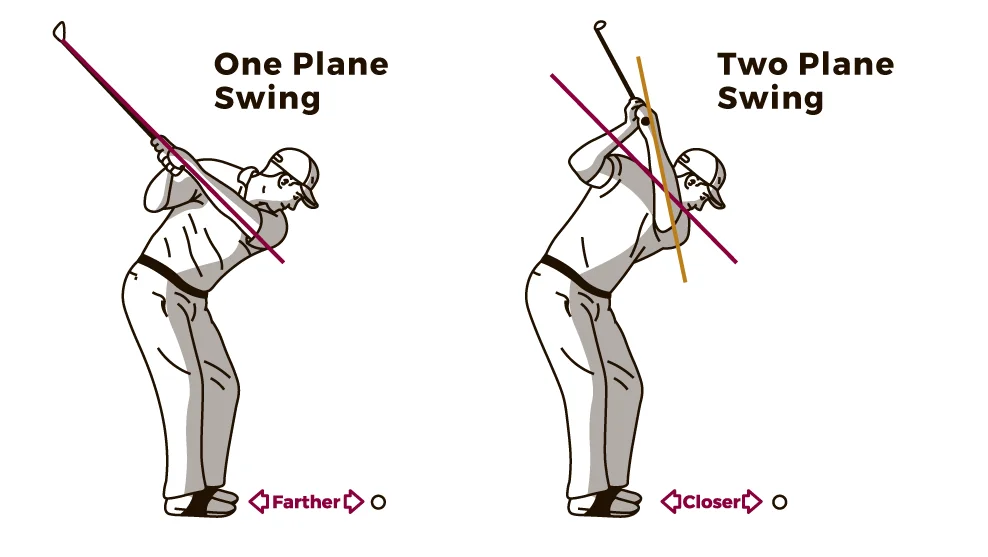
One common mistake among beginners is trying to generate too much power by swinging harder. This often leads to poor timing, unnecessary tension and inconsistent contact. If you want to develop a more reliable technique, explore our beginner-friendly advice on improving your golf swing.
A controlled golf swing starts with a comfortable backswing and a coordinated movement through the ball.
Focus on these two stages:
- During your backswing, allow your shoulders and hips to turn naturally while maintaining your balance.
- As you begin the downswing, let your body rotate towards the target rather than relying entirely on your arms.
Your movements should feel connected rather than rushed.
Pro Tip: Concentrate on maintaining a steady tempo instead of trying to hit the ball as hard as possible. A controlled swing can help you make more reliable contact and improve your overall consistency.
With regular practice, you will develop a better understanding of how your body moves and how to generate power without forcing the shot.
Step 4: Swing Through the Ball Rather Than Just Making Contact
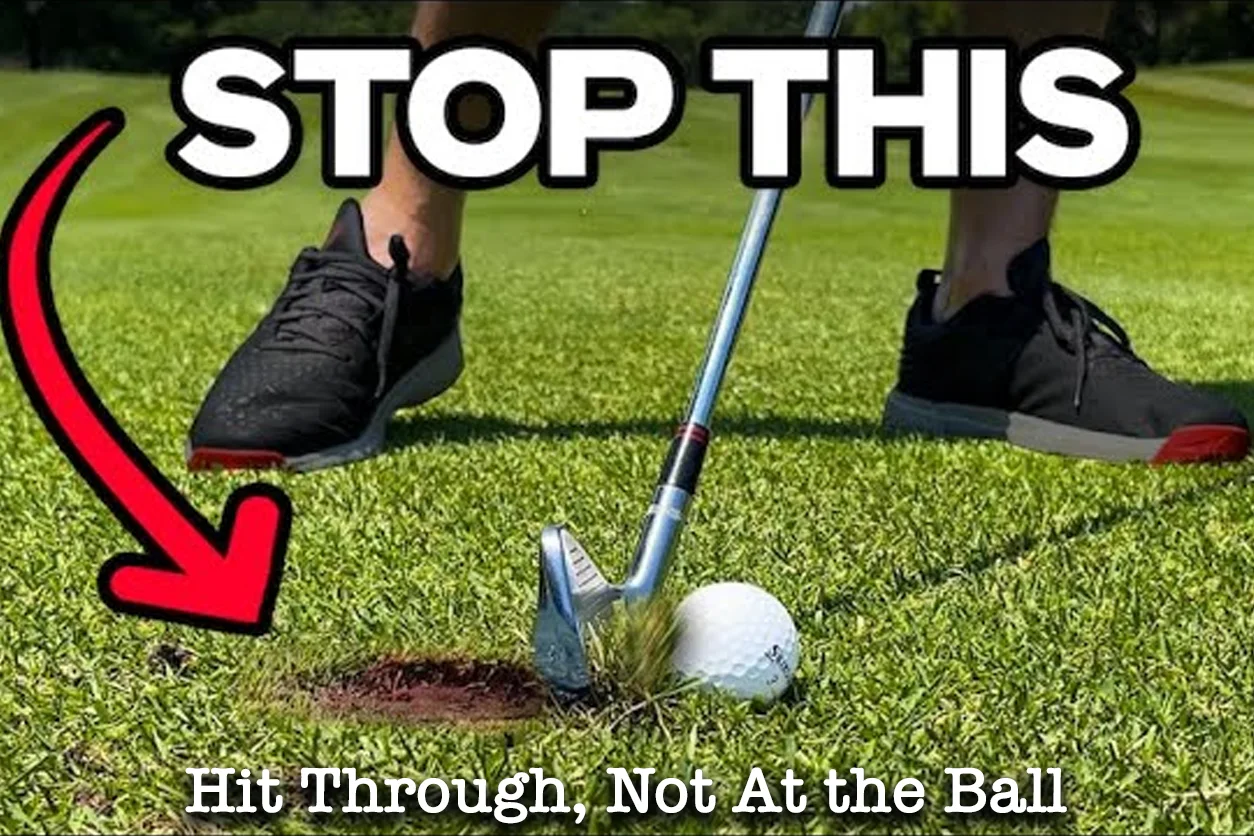
Many beginners become so focused on making contact with the ball that they stop their swing immediately after impact.
This can interrupt the natural movement of the club and affect your balance.
Instead of concentrating entirely on the moment of contact, think about swinging through the ball towards your target.
Try the following:
- Set up to the ball using your usual stance.
- Make a smooth backswing without rushing.
- Rotate naturally as you bring the club down.
- Allow the club to continue moving after impact.
- Finish with your weight balanced and your body facing towards the target.
Your follow-through should feel like a natural continuation of the swing rather than a separate movement.
Practising this approach can help you develop better rhythm and avoid stopping your club too early.
Step 5: Track Your Swing, Adjust Weekly
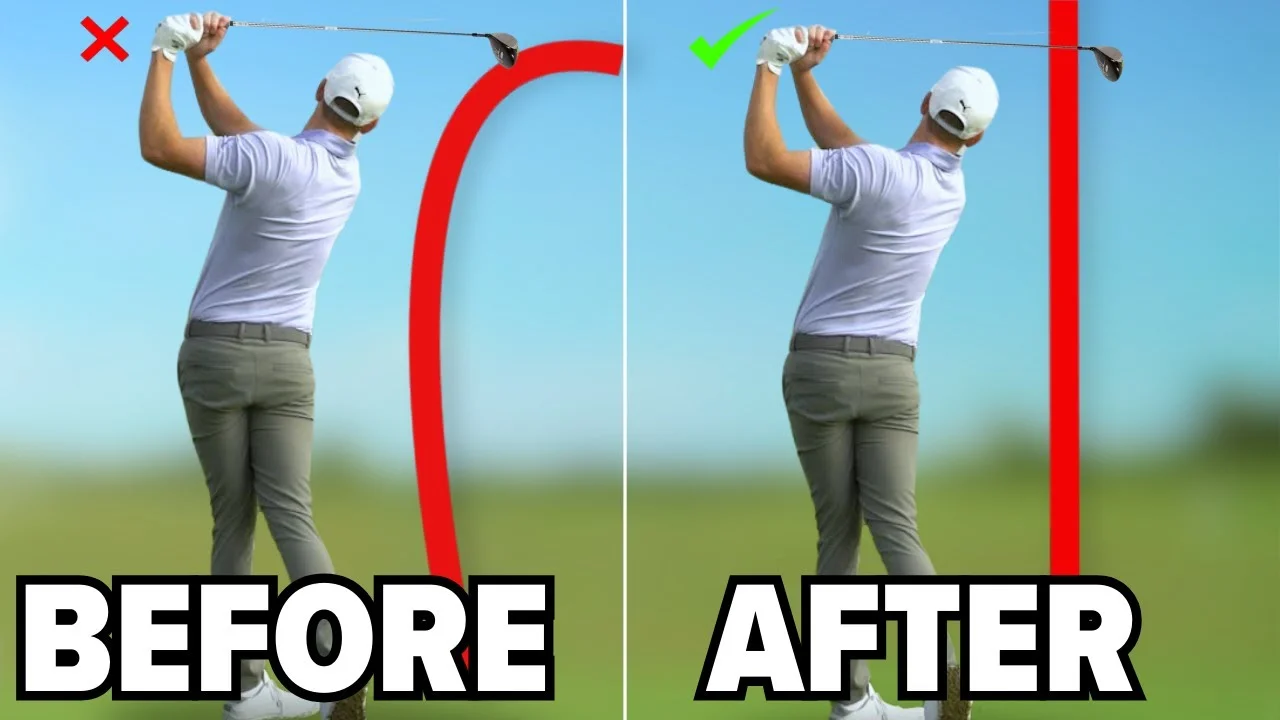
Improving your golf swing becomes easier when you understand what is happening rather than relying entirely on guesswork.
Recording your practice sessions can help you identify repeated mistakes and monitor your progress over time.
There are several tools that can help:
- Golf swing analyser apps: Record your swing and review your movement to identify areas that may need attention.
- Launch monitors: Provide information about ball speed, launch angle, carry distance and other useful measurements.
- Smart golf grips: Certain training grips can help you understand correct hand positioning and develop better grip habits.
You should also ask yourself a few questions after practising:
- Where does the ball usually finish?
- Do you regularly struggle with a slice, hook or topped shot?
- Does your swing feel balanced or rushed?
- Are you striking the ball cleanly and consistently?
Rather than changing several things at once, concentrate on one area that needs improvement. Review your progress each week and make small adjustments where necessary.
Your golf swing will develop gradually, so give yourself enough time to recognise what is working and what still needs attention.
Mindset Matters: Confidence Begins Before You Reach the Course
Learning the correct technique is important, but confidence and concentration also influence how you approach every shot.
Golf can be frustrating, particularly when you have spent time practising and still struggle to achieve the results you want. However, allowing one poor shot to affect the rest of your round can make things even more difficult.
Try to approach each shot with a clear mind. Focus on your preparation, trust the movements you have practised and avoid making unnecessary adjustments during your round.
“Disappointment is part of the game. The way I respond to setbacks shapes me as a competitor.”
— Tiger Woods
Remember that improvement takes time. Instead of judging your progress by one round, pay attention to the small changes you make during practice.
The Right Equipment Won’t Correct Your Swing, But It Can Make a Difference
The right equipment cannot replace good technique, but suitable golf clubs can make learning the game more comfortable.
Beginners do not necessarily need expensive equipment or a complete collection of clubs. What matters is choosing options that suit your experience, swing speed and physical requirements.
When looking for beginner-friendly golf clubs, consider the following features:
- Lightweight graphite shafts: These can be easier to swing and may suit beginners with moderate swing speeds.
- Forgiving clubfaces: Larger clubheads and forgiving designs can help reduce the effect of off-centre strikes.
- Comfortable grips: A suitable grip size can help you hold the club securely without squeezing it too tightly.
- Higher-lofted clubs: These can help some beginners achieve a higher ball flight and get the ball airborne more easily.
It is also worth trying different clubs before making a purchase. The best option is one that feels comfortable and allows you to develop your technique without unnecessary difficulty.
Your Journey from Beginner to Confident Golfer Starts Here
Every golfer experiences challenging moments when learning to improve their swing. You might recognise some of these stages:
- The Wall — The frustration of struggling to make clean contact or repeat a good shot.
- The Echo — Doubting your ability after a few disappointing attempts.
- The Gatekeeper — Feeling uncomfortable when practising around more experienced golfers.
These challenges are all part of the learning process. Do not let them discourage you from continuing.
Focus on your own progress, practise the fundamentals and give yourself time to develop a technique that feels natural.
Every practice session gives you another opportunity to learn something new. The more consistent your approach becomes, the more comfortable you will feel on the course.
Conclusion: Develop a More Consistent Swing and Enjoy the Changing Game of Golf
Golf continues to attract new players from different age groups and backgrounds. More beginners are discovering the game through friends, social groups and online communities, bringing fresh interest to the sport.
For anyone starting out, building a reliable golf swing is a good place to begin. You do not need expensive equipment or professional-level technique to make progress. Understanding the fundamentals and practising them regularly can help you develop greater control and confidence.
Start with these five essentials:
- Find a comfortable and reliable grip.
- Develop a balanced posture.
- Focus on smooth body rotation.
- Follow through naturally after impact.
- Review your swing regularly and make gradual improvements.
Most importantly, enjoy the process. Your first few rounds might not go exactly as planned, but every mistake offers an opportunity to learn.
Start building better golfing habits today with GolfersTee, where you can explore practical golf advice, equipment guides and tips to help you get more from the game.