
Quail Hollow Club is one of the most recognisable championship golf venues in the United States. Located in Charlotte, North Carolina, it has hosted some of the sport's biggest events, including the PGA Championship and the Presidents Cup. Its challenging layout, strategically placed bunkers and demanding finishing holes make it a memorable test for even …
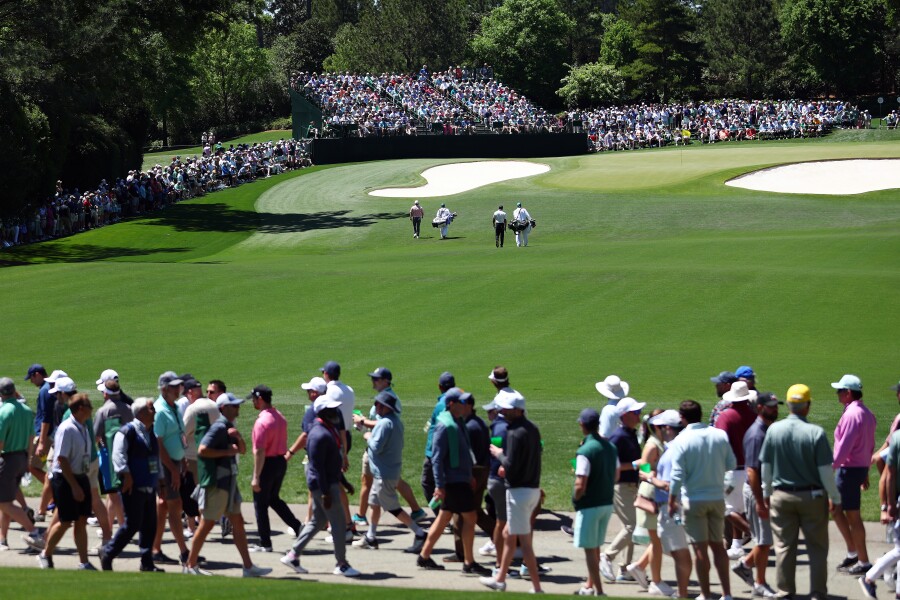
Quail Hollow Club is one of the most recognisable championship golf venues in the United States. Located in Charlotte, North Carolina, it has hosted some of the sport’s biggest events, including the PGA Championship and the Presidents Cup. Its challenging layout, strategically placed bunkers and demanding finishing holes make it a memorable test for even the world’s best golfers.
The course is particularly famous for the Green Mile, a difficult stretch covering the final three holes. Water hazards, narrow landing areas and demanding approach shots can quickly change the outcome of a tournament, making the closing section one of the most closely watched parts of professional golf.
In this Quail Hollow course guide, we explore the venue’s history, layout and individual holes. Whether you follow professional golf, enjoy learning about famous championship courses or want to understand what makes Quail Hollow such a difficult test, this guide covers the key features to know.
Quail Hollow Club: An Overview
Quail Hollow Club is situated in Charlotte, North Carolina, and opened in 1961. The original course was designed by George Cobb, with Tom Fazio later overseeing a major reconstruction in 1997. Further changes have been made over the years to improve the layout and prepare it for major tournaments.
The club has developed a strong reputation as a venue for professional golf. It hosted the PGA Championship in 2017 and 2025, as well as the Presidents Cup in 2022. It has also been home to the PGA Tour event now known as the Truist Championship, previously played under names including the Wachovia Championship and Wells Fargo Championship.
The 2025 PGA Championship was played over a par-71 layout measuring 7,626 yards. These figures reflect the championship setup and can differ from other course configurations.
Quail Hollow is also a private golf club, so it is not generally available for casual public play. Its professional tournaments provide opportunities for spectators to experience the venue.
What Makes Quail Hollow Golf Course So Challenging?

Quail Hollow is not simply a test of driving distance. Players must combine accurate tee shots, well-judged approaches and confident putting to score consistently.
Several features contribute to its reputation.
Narrow Fairways and Strategic Bunkers
Many holes place a premium on accuracy from the tee. Fairway bunkers and tree-lined landing areas can leave players with difficult approaches if they miss their intended position. Finding the fairway is particularly important on the longer holes, where a poor tee shot can make reaching the green in regulation much harder.
Undulating Greens
The putting surfaces feature slopes, ridges and false fronts that make distance control essential. Reaching the green is only part of the challenge; players must also find the correct section to give themselves a realistic chance of making their putt.
Water Hazards
Water comes into play on several important holes, particularly towards the finish. Players must balance aggression with careful course management, as a misplaced shot can lead to a costly penalty.
The Famous Green Mile
The final three holes, numbered 16, 17 and 18, are known collectively as the Green Mile. This stretch includes a demanding par 4, a long par 3 over water and a difficult finishing par 4.
It is one of the defining features of Quail Hollow and has provided plenty of drama during professional tournaments.
Quail Hollow Course: Hole-by-Hole Breakdown
The following breakdown uses the hole pars and yardages from the 2025 PGA Championship course setup. Yardages can change depending on the tees and tournament configuration.
Front Nine
Hole 1 – Par 4, 505 Yards
Quail Hollow begins with a demanding par 4 that immediately requires accuracy. Two bunkers along the left side of the fairway make the tee shot important, while the narrow, undulating green is protected by three large bunkers.
Players need to find a suitable position from the tee to avoid a difficult approach. Starting with par is a good result on this opening hole.
Hole 2 – Par 4, 452 Yards
The second hole is a challenging dogleg-left with a fairway that slopes from left to right. The approach plays uphill towards a green with a pronounced slope.
Players must judge both their position and approach distance carefully. Finding the wrong section of the green can leave a difficult putt, particularly when the ball finishes above the hole.
Hole 3 – Par 4, 483 Yards
This is one of the toughest holes on the course and was ranked as the number-one handicap hole in the 2025 championship layout.
A long tee shot is needed to reach a suitable position, with a deep bunker affecting the right side of the fairway. The raised, two-tier green is guarded by three bunkers, making the approach especially demanding with a longer iron.
Hole 4 – Par 3, 184 Yards
Tall pine trees frame this attractive par 3, but the hole offers little room for error. Three bunkers protect the front of the large, undulating green.
Players need to select the right club and control their distance. Shots that travel beyond the putting surface can leave a difficult recovery.
Hole 5 – Par 4, 449 Yards
The fifth is a slight dogleg-right with two large fairway bunkers narrowing the landing area. The hole moves through a shallow valley before rising towards an angled green.
A large bunker protects the front-right side of the putting surface. Accurate positioning from the tee is important, as the uphill approach can make distance control more difficult.
Hole 6 – Par 3, 249 Yards
Measuring 249 yards in the 2025 championship setup, this is the course’s longest par 3. The hole plays downhill towards a large green with a false front that can send poorly positioned shots away from the putting surface.
Players must also avoid going too long, as the green slopes from back to front and has a deep bunker behind it. Choosing the right club is particularly important.
Hole 7 – Par 5, 546 Yards
The seventh offers one of the better scoring opportunities, but only if players manage its hazards. Bunkers to the left and a creek along the right leave little room for error on the fairway.
Reaching the green in two can offer a chance for eagle or birdie, although water and bunkers protect the approach. Players must decide whether to attack or take a more cautious route.
Hole 8 – Par 4, 346 Yards
This short par 4 presents an interesting risk-and-reward decision. Longer hitters may consider attempting to reach the green from the tee, but fairway bunkers and a greenside bunker make an aggressive shot risky.
The shallow putting surface has five distinct sections, so simply reaching the green is not enough. Players need to control their distance to leave a manageable putt.
Hole 9 – Par 4, 530 Yards
The front nine finishes with a long par 4 that favours a right-to-left tee shot. Players need to keep their tee shots clear of the right-side bunker and the pine trees lining the left.
The green is squeezed by bunkers and slopes from back to front. A strong approach is needed to create a realistic birdie opportunity, making this a demanding end to the opening nine holes.
Back Nine
Hole 10 – Par 5, 592 Yards
The tenth is the longest hole in the 2025 championship layout. It favours a right-to-left tee shot, although a large bunker along the left side of the fairway can punish an inaccurate drive.
Further bunkers protect the approach and both sides of the green. The putting surface also slopes away towards the back, making it difficult to get close to rear pin positions.
Hole 11 – Par 4, 462 Yards
This dogleg-left features two deep bunkers inside the bend, with additional bunkers protecting the left side of the raised green.
The putting surface has a false front and a ridge running through its middle. Players must judge their approach carefully to avoid leaving a long putt or difficult recovery.
Hole 12 – Par 4, 456 Yards
The twelfth is a demanding hole where accuracy is important from tee to green. Trees line both sides of the narrow fairway, leaving little room for wayward drives.
The green is divided into front and back sections by a large ridge. Players need to carry the false front and find the correct level to have a good chance of making their putt.
Hole 13 – Par 3, 205 Yards
This long par 3 requires a well-struck tee shot to reach the correct part of the green. A severe false front can send shorter shots away from the putting surface, while the green slopes sharply from back to front.
Distance control is essential, particularly when the pin is positioned towards the back.
Hole 14 – Par 4, 344 Yards
The fourteenth is a short par 4 that gives players an opportunity to consider an aggressive approach. However, the hole is not as straightforward as its length suggests.
Water and a deep bunker affect the lay-up area, while attempting to drive the green brings additional hazards into play. Players must decide whether to take on the challenge or play more conservatively.
Hole 15 – Par 5, 577 Yards
The fifteenth is a par 5 that requires careful positioning throughout the hole. The ideal tee shot favours the left side of the fairway, away from bunkers on the right and water on the left.
The second shot plays uphill towards a series of bunkers around the lay-up area and green. The putting surface slopes from back to front and features a ridge separating two sections, so reaching it in regulation does not guarantee an easy birdie opportunity.
Hole 16 – Par 4, 529 Yards
The 16th hole signals the start of Quail Hollow’s renowned Green Mile. This long par 4 features a dogleg-right fairway with a bunker positioned near the inside of the bend.
The approach plays downhill towards a large green that is bordered by water on the left and beyond the putting surface. Players need to balance distance with accuracy, as a missed approach can quickly lead to a difficult score.
Hole 17 – Par 3, 223 Yards
The seventeenth is one of Quail Hollow’s most recognisable holes. The tee shot must carry water to reach the green, with the hazard extending along the left side and behind the putting surface.
There is a safer area to the right, but this can leave a difficult uphill recovery. The green also features a central ridge, making the correct landing position important.
Hole 18 – Par 4, 494 Yards
Quail Hollow finishes with a demanding par 4 that can have a major influence on tournament results. The downhill tee shot must find a narrow fairway between a long bunker on the right and a creek running along the left.
The approach plays slightly uphill towards a large green protected by bunkers and water. A false front and central ridge create further difficulty, making the final hole a serious test of accuracy and composure.
The Green Mile: Why Holes 16–18 Matter

The Green Mile is arguably the most famous section of Quail Hollow. Its three closing holes combine length, water hazards and difficult green complexes, creating a challenging finish for players trying to protect a lead or make up ground.
Hole 16: A Demanding Opening Test
The sixteenth requires a well-positioned tee shot followed by an accurate approach. Water close to the green makes it difficult to recover from a poor shot, particularly when players are under pressure late in a round.
Hole 17: The Water-Crossing Par 3
The seventeenth is a memorable par 3 where the entire tee shot must carry water. Wind direction and club selection can influence the decision, while the sloping green leaves little room for an inaccurate shot.
Hole 18: A Difficult Championship Finish
The final hole offers one last test of accuracy. The creek running alongside the fairway and green makes the tee shot and approach particularly important. Players who reach the closing hole with a narrow lead must remain patient and avoid taking unnecessary risks.
Together, these three holes explain why Quail Hollow is known for producing dramatic finishes.
Major Golf Tournaments Hosted at Quail Hollow
Quail Hollow has welcomed several important professional golf competitions over the years. Its tournament history has helped establish the venue as a regular part of the PGA Tour calendar.
PGA Championship 2017
Quail Hollow first staged the PGA Championship in 2017. Justin Thomas won his first major title, finishing eight under par and defeating the field by two shots.
Presidents Cup 2022
In 2022, the club welcomed the Presidents Cup, where the United States secured victory over the International team. The competition brought another major international golf event to Charlotte.
PGA Championship 2025
The PGA Championship returned to Quail Hollow in May 2025. Scottie Scheffler claimed the Wanamaker Trophy after finishing 11 under par, with a five-shot victory over the players tied for second.
Truist Championship 2026
Quail Hollow also hosted the inaugural Truist Championship in 2026. The event continued the venue’s long association with professional golf, following its history as the home of the Wachovia Championship, Quail Hollow Championship and Wells Fargo Championship.
For readers interested in the wider PGA Tour calendar, our guide to PGA Tour Signature Events explains how these tournaments fit into the professional season.
What Golfers Can Learn from Quail Hollow
Although Quail Hollow is set up to challenge the world’s best players, its layout offers useful lessons for golfers of different abilities.
Prioritise Accuracy Over Distance
The course demonstrates why hitting the fairway can be more valuable than simply trying to maximise driving distance. A well-positioned tee shot often creates a better opportunity to reach the green.
Choose the Right Club for Each Shot
Long holes and demanding approaches require careful club selection. Understanding your own distances can help you make better decisions and avoid unnecessary risks. Our guide to golf club distances explains how far different clubs typically travel and what can influence those distances.
Develop Consistent Swing Technique
Quail Hollow rewards golfers who can control their ball flight and strike the ball consistently. Working on your technique can help improve accuracy and confidence. Read our guide on how to improve your golf swing for practical advice.
Think Carefully Around the Greens
The course’s undulating putting surfaces show why distance control and green reading matter. A good approach shot should not only reach the green but also leave a manageable putt.
Frequently Asked Questions About Quail Hollow
Where is Quail Hollow Golf Course located?
Quail Hollow Club is based in Charlotte, North Carolina, USA. It is a private golf club known for hosting major professional tournaments.
Is Quail Hollow a difficult golf course?
Yes. Its narrow fairways, strategically positioned bunkers, undulating greens and water hazards make it a demanding championship venue. The closing Green Mile is particularly challenging.
What is Quail Hollow’s Green Mile?
The Green Mile is the name given to Quail Hollow’s final three holes: the 16th, 17th and 18th. The stretch is famous for its difficult shots, water hazards and potential to influence tournament results.
What is the par of Quail Hollow?
Quail Hollow’s par can depend on the course setup. During the 2025 PGA Championship, it played as a par 71 over 7,626 yards.
Who designed Quail Hollow Golf Course?
George Cobb designed the original course, which opened in 1961. Tom Fazio later reconstructed it in 1997 and contributed to further changes over the years.
Which player claimed the 2025 PGA Championship title at Quail Hollow?
Scottie Scheffler won the 2025 PGA Championship at Quail Hollow, finishing 11 under par. It was the second time the venue hosted the championship.
Can the public play at Quail Hollow Club?
Quail Hollow is a private golf club, so it is not generally open for public tee-time bookings. Access is subject to the club’s membership and visitor arrangements.
Final Thoughts on Quail Hollow Golf Course
Quail Hollow has earned its reputation as one of the most demanding and recognisable venues in professional golf. Its combination of narrow fairways, challenging greens and strategically placed hazards tests every part of a player’s game.
The Green Mile remains the course’s defining feature, with holes 16, 17 and 18 creating a difficult finish that can change the outcome of a tournament. However, the challenge begins much earlier, with the opening holes demanding accuracy, patience and careful decision-making.
From its history as a PGA Championship venue to its place on the PGA Tour calendar, Quail Hollow continues to provide memorable moments for golf fans. Understanding its layout and the challenges of each hole makes watching professional tournaments there even more interesting.