
A well-maintained set of golf clubs is an important part of any golfer’s equipment. After a few rounds, dirt, grass and moisture can collect around the clubheads, settle into the grooves and build up on the grips. Left unattended, this can affect how the clubs feel and perform over time. Pros care for their clubs …
A well-maintained set of golf clubs is an important part of any golfer’s equipment. After a few rounds, dirt, grass and moisture can collect around the clubheads, settle into the grooves and build up on the grips. Left unattended, this can affect how the clubs feel and perform over time.
Pros care for their clubs as part of their regular playing routine. They understand that looking after their equipment is not just about keeping it presentable. Clean clubfaces, well-maintained grips and properly stored clubs help ensure their equipment remains ready for the next round.
You do not need an expensive cleaning kit or a professional workshop to follow the same approach. With a few everyday items and some regular attention, you can keep your golf clubs in good condition at home.
Why Golf Club Care Matters
Golf clubs are exposed to a range of conditions during play. Wet grass, sand, mud and soil can collect on the clubface and around the grooves. Sweat, sunscreen and dirt can also build up on the grips.
Keeping your clubs clean limits the accumulation of dirt and allows you to spot any signs of damage or deterioration more easily.
There are several reasons to make club care part of your routine:
- More consistent contact: Clean grooves help prevent dirt and grass from interfering with contact between the clubface and ball.
- Better grip condition: Removing sweat and dirt helps keep grips cleaner and easier to hold.
- Longer equipment life: Drying and storing clubs properly helps protect them from unnecessary wear and corrosion.
- Easier inspections: Regular cleaning makes it easier to spot loose components, worn grips or damage before your next round.

How Pros Care for Their Clubs: A Simple Cleaning Routine
Professional golfers often have equipment teams to help maintain their clubs, but the basic principles are straightforward. You can follow a similar routine at home without specialist equipment.
1. Gather the Right Cleaning Equipment
Before starting, prepare a few simple items:
- A bucket or bowl of warm water
- A small amount of mild washing-up liquid
- A soft-bristled brush or old toothbrush
- A clean microfibre cloth
- A dry towel
Avoid using harsh cleaning chemicals, abrasive pads or metal brushes. Such materials may scratch the surface or affect the clubhead’s original finish.
2. Clean the Iron and Wedge Clubheads
Irons and wedges need particular attention because dirt can collect in their grooves. Grass and soil left behind after a shot may affect the consistency of contact with the ball.
Follow these steps:
- Add a small amount of mild washing-up liquid to a bucket of warm water.
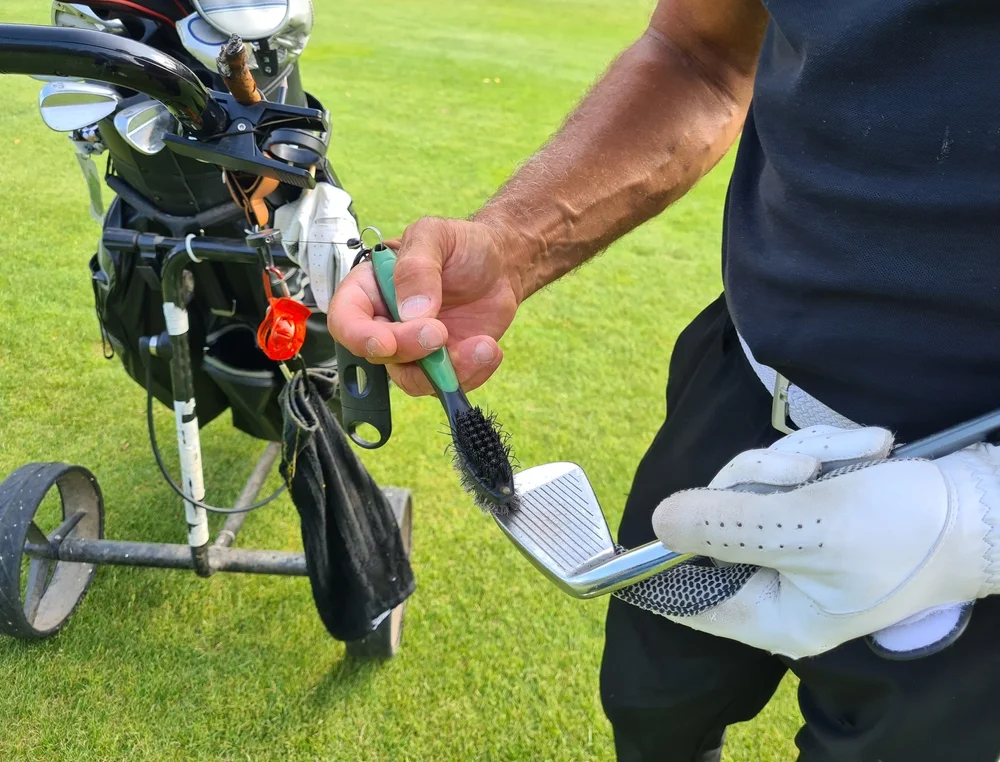
- Moisten the brush in the cleaning solution and carefully work across the face of the club.
- Work along each groove to remove trapped dirt and grass.
- Clean the back and sole of the clubhead to remove remaining marks.
- Wipe the clubhead with a damp cloth.
- Dry it thoroughly with a clean towel.
Keep the cleaning process brief rather than allowing the clubheads to sit in water for an extended period. . Keep the water level below the ferrule and hosel, and avoid getting the shaft or other parts unnecessarily wet.
3. Give Your Golf Club Grooves Extra Attention
The grooves on an iron or wedge help influence how the ball interacts with the clubface, particularly when playing approach shots and shots around the green.
Dirt and grass can become trapped in these narrow channels, so a quick wipe may not always be enough.
Use a soft brush or an old toothbrush to work gently along each groove. If dirt is difficult to remove, apply a little more warm water before brushing again.
Use gentle cleaning tools and light pressure instead of scraping the grooves with hard or pointed objects. The aim is to remove dirt without scratching the clubface or damaging its finish.
4. Clean the Shafts and Club Grips
Clubheads are not the only parts that need attention. Shafts and grips also collect dirt during regular play.
Use a lightly moistened microfibre cloth to clean the shafts and lift away surface dirt, marks and residue. Dry them afterwards, paying attention to any areas where moisture may remain.
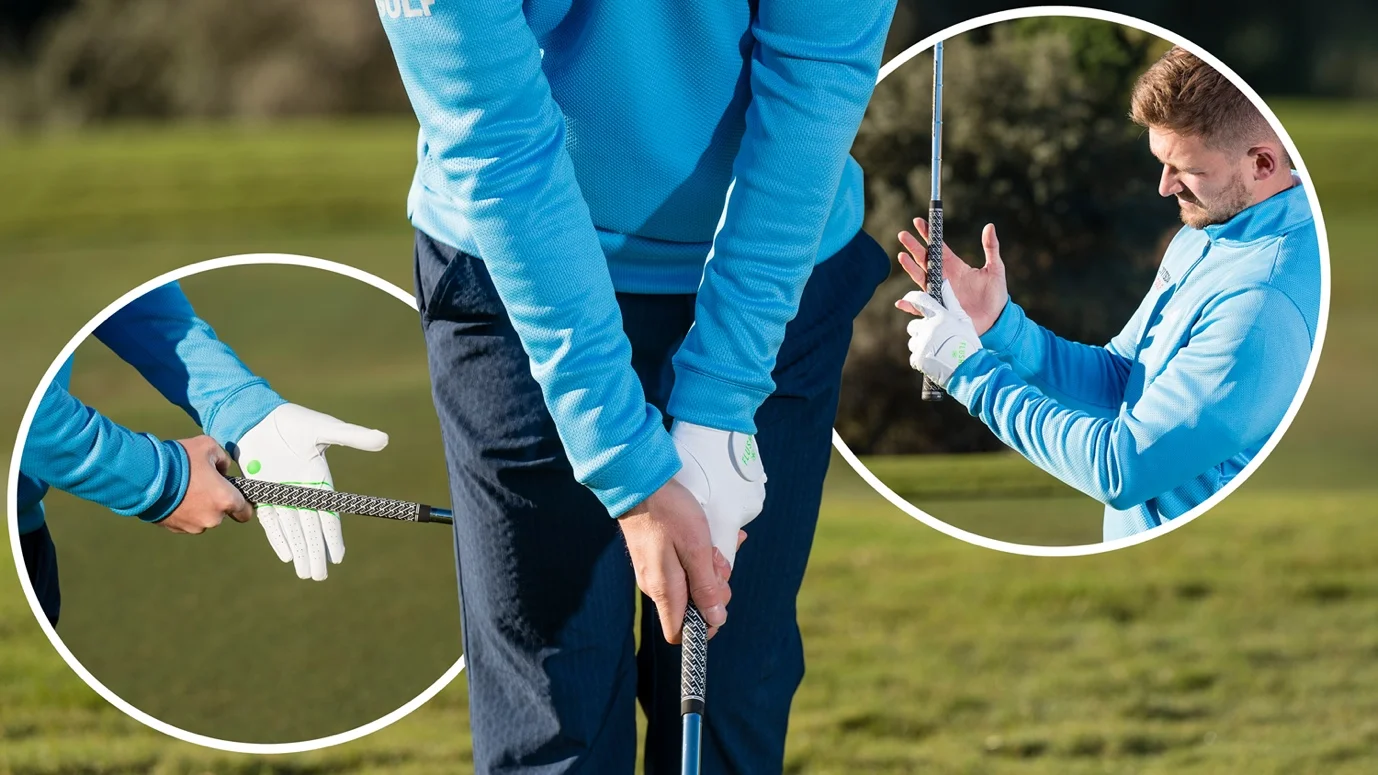
For grips, use a cloth and mild soapy water where appropriate. Carefully loosen the dirt before going over the grips again with a fresh cloth to clear away any remaining cleaning solution. Allow the grips to dry fully before putting the clubs back into your bag.
Always check the manufacturer’s care instructions, particularly for specialist grip materials. Avoid soaking grips or using strong cleaning products that could affect their surface.
How to Polish Golf Clubs Without Damaging Them
Once your clubs are clean and dry, you may want to improve their appearance. However, polishing should be approached carefully because different club materials and finishes require different treatment.
For routine upkeep, simply buff the surface with a soft microfibre cloth to clear minor smudges and handling marks.
Keep these points in mind:
- Check the manufacturer’s guidance before using any metal polish.
- Avoid abrasive compounds on coated, painted or specially finished clubheads.
- Do not use household scouring pads or rough materials.
- Never apply polish to the clubface grooves unless the manufacturer specifically recommends it.
- Wipe away any product residue before storing your clubs.
The aim is to maintain the finish rather than make the clubs look brand new at the expense of their protective coating.
Keeping Your Golf Clubs in Good Condition Between Rounds
Cleaning your clubs after every round is a useful habit, but regular maintenance involves more than washing away dirt. A few simple checks can help keep your equipment in good condition throughout the season. It’s part of how pros care for their clubs and keep their equipment ready for regular play.
Check for Signs of Wear
Look over your clubheads, shafts and grips from time to time. Check for scratches, dents, loose components, worn grip surfaces or other visible damage.
If something appears loose or damaged, have it checked by a qualified club technician rather than attempting a repair without the right tools.
Keep Your Golf Bag Clean
Dirt and moisture can transfer from your bag to your clubs. Empty it occasionally and remove grass, sand and other debris from the pockets and dividers.
Check that the inside of the bag is dry before putting your clubs away, particularly after playing in wet conditions.
Store Clubs in a Dry Place
Avoid leaving your golf bag in a damp garage, boot of a car or other area where moisture can build up. After playing in the rain, remove the clubs from the bag if necessary and allow everything to dry properly.
A cool, dry storage space is generally a better choice than somewhere exposed to excessive heat or humidity.
Clean Your Clubs After Wet Rounds
Playing in the rain or on a muddy course makes it easier for dirt and moisture to collect around the clubheads and bag. Once your round is over, remove any dirt from the clubs and make sure no moisture remains before putting them away.
This small habit can help prevent dirt from building up between rounds.
Golf Club Cleaning Kits: Are They Worth Buying?
You can clean most golf clubs with everyday household items, so a specialist kit is not essential. However, a dedicated golf club cleaning kit can be useful if you prefer to keep all your equipment in one place.
Some kits include a brush, groove cleaner, cleaning cloth or other accessories designed for use on the course. A compact brush can also be handy for removing grass and dirt between shots.
When choosing a kit, consider what you actually need. A simple brush and towel may be enough for regular maintenance, while golfers who play frequently may prefer a more complete set of cleaning accessories. A cleaning brush is a simple addition to your golf bag, and you can find other useful options in our guide to golf accessories under £50.
Whatever you choose, make sure the tools are suitable for your club materials and finishes.
Common Golf Club Cleaning Mistakes to Avoid
Cleaning your clubs should help protect them, not create additional wear. A few common mistakes are worth avoiding. Even when following the methods pros use to care for their clubs, using the wrong cleaning techniques can cause unnecessary damage.
- Using boiling or very hot water: Excessive heat is unnecessary and may affect adhesives or finishes. Use warm water instead.
- Leaving clubs submerged: Prolonged soaking can allow moisture to reach areas that should remain dry.
- Scrubbing with metal tools: Sharp or abrasive tools may scratch the clubface and damage its finish.
- Using strong chemicals: Household cleaners and solvents may be unsuitable for certain club materials.
- Putting wet clubs away: Storing damp equipment can encourage corrosion and unpleasant odours.
- Ignoring the grips: Dirty or worn grips deserve attention just as much as the clubheads.
A gentle cleaning routine is usually more effective than aggressive scrubbing or using unnecessary products.
How Frequently Do Your Golf Clubs Need Cleaning?
Your cleaning routine will vary according to your playing frequency and the type of weather and course conditions you experience.
A quick wipe after each round helps remove surface dirt before it builds up. A more thorough clean every few rounds can help keep the grooves, grips and clubheads in better condition.
If you regularly play on wet or muddy courses, you may need to clean your clubs more frequently. It is also worth checking your grips and clubheads at the start and end of each season.
The important thing is consistency. A few minutes of care after playing can save you from dealing with stubborn dirt later.
FAQs About How Pros Care for Their Clubs
How do professional golfers clean their clubs?
Professional golfers keep their clubs clean by removing dirt and grass from the clubfaces, checking the grooves and wiping down the shafts and grips. Many also have equipment teams who help inspect and maintain their clubs regularly.
What is the best way to clean golf club grooves?
Use warm water, mild washing-up liquid and a soft-bristled brush. Gently work along each groove to remove trapped dirt and grass, then wipe and dry the clubhead thoroughly.
Can I use washing-up liquid to clean golf clubs?
Yes. A small amount of mild washing-up liquid mixed with warm water is generally suitable for cleaning many metal clubheads. Avoid harsh detergents and follow the manufacturer’s care instructions.
Can dirty golf club grooves affect performance?
Dirt and grass trapped in the grooves can interfere with clean contact between the ball and clubface. Keeping grooves free from debris helps maintain more consistent playing conditions, particularly when hitting approach shots.
Is It Necessary to Clean Golf Clubs After Each Game?
Giving your equipment a brief clean once you’ve finished playing helps prevent dirt from accumulating. Remove visible dirt, wipe down the clubheads and dry any moisture before storing your equipment.
Can a Wire Brush Damage Your Golf Clubs?
A wire brush can be too abrasive for some club finishes and materials. A soft-bristled brush is a safer everyday choice unless the manufacturer recommends a specific cleaning tool.
Make Club Care Part of Your Golf Routine
Looking after your golf clubs does not need to be complicated. A little attention after each round, a proper clean when needed and sensible storage can help keep your equipment in good condition.
The way pros care for their clubs shows how much difference consistent maintenance can make. You can follow the same principles at home with a simple routine that protects your clubheads, grooves, shafts and grips.
Clean clubs may not transform your game overnight, but taking care of your equipment is a sensible habit for any golfer who wants to get the most from every round.