Turn slow greens into an opportunity to improve your putting with Master Tempo-Putting. Learn to control pace, develop a steady rhythm and build confidence through practical drills and simple adjustments. When Patience Meets the Putter Most golfers know how challenging it can be to judge putts on slower greens. You choose your line, make what …
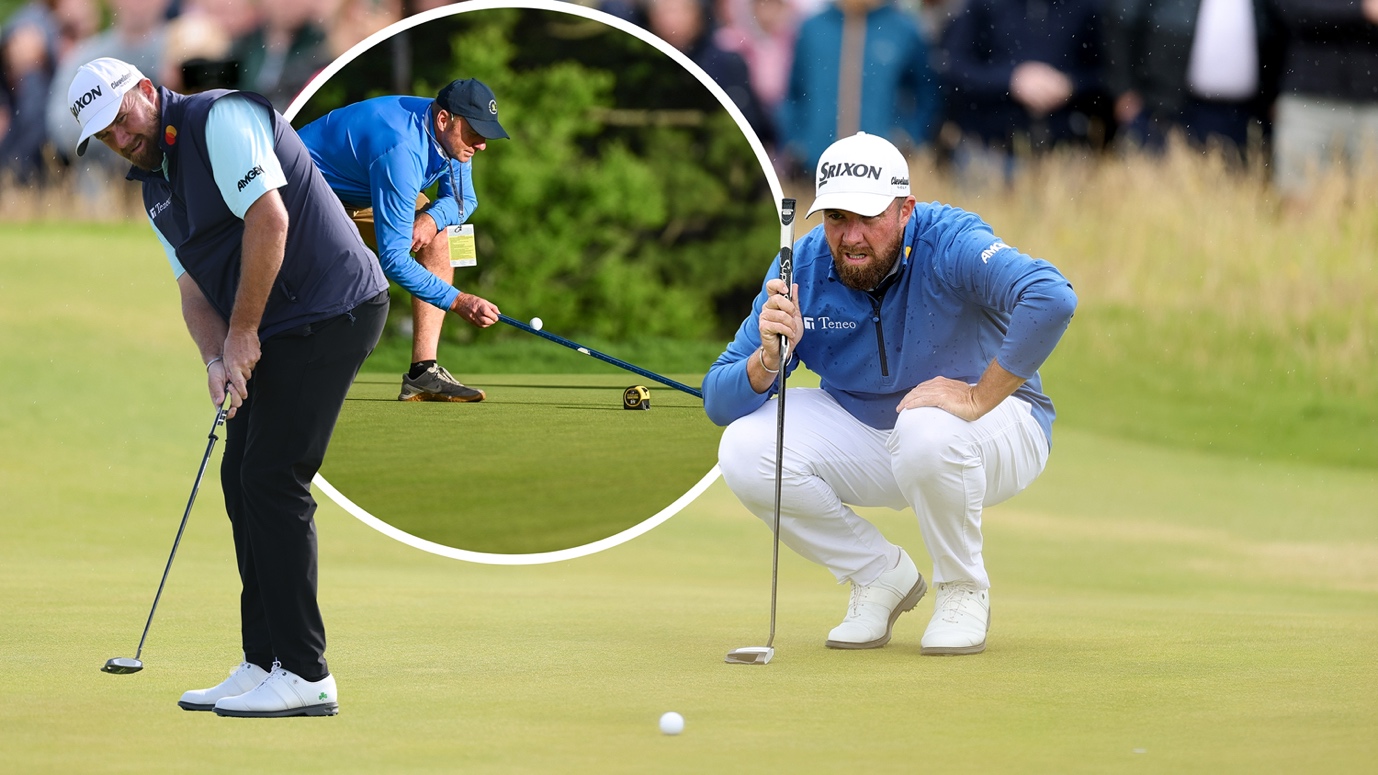
Turn slow greens into an opportunity to improve your putting with Master Tempo-Putting. Learn to control pace, develop a steady rhythm and build confidence through practical drills and simple adjustments.
When Patience Meets the Putter
Most golfers know how challenging it can be to judge putts on slower greens. You choose your line, make what feels like a good stroke, but the ball loses speed before reaching the hole. A few missed putts can quickly affect your confidence and disrupt the rest of your round.
The key is to understand that slow greens require a different approach. Trying to hit every putt harder is rarely the answer. Instead, you need to adjust your stroke, develop a reliable rhythm and give yourself time to judge the pace.
Developing the right approach to slower greens can benefit your overall putting performance, not just your pace judgement. It encourages better decision-making, a calmer approach and greater awareness of how different surfaces affect the ball.
This guide covers the techniques, practice drills and equipment considerations that can help you develop a more consistent putting stroke. With the right preparation, slower surfaces can become much easier to manage.
Putting Tempo: How Slow Greens Can Disrupt Your Game
Adjusting to slower greens can be difficult, especially if you normally play on quicker putting surfaces. A putt that normally reaches the hole may finish short, leaving you frustrated and unsure how much pace to add next time.
This can create a cycle that affects your performance:
- Slow greens lead to putts finishing short.
- Missed putts create frustration.
- Frustration affects confidence and concentration.
- Tension can disrupt your putting stroke and distance control.
The problem is not always your technique. Sometimes, you simply need to adjust to the conditions rather than repeat the same stroke you would use on a faster green.
A consistent putting rhythm is key to handling these conditions.
On slower surfaces, you generally need a longer stroke with enough acceleration to send the ball towards the hole. Avoid making a sudden jab at the ball or forcing extra power with your hands. A smooth, controlled movement will help you maintain a consistent strike.
The aim is to find a rhythm that produces the right amount of pace without sacrificing accuracy.
Read the Green and Adjust Your Putting Approach
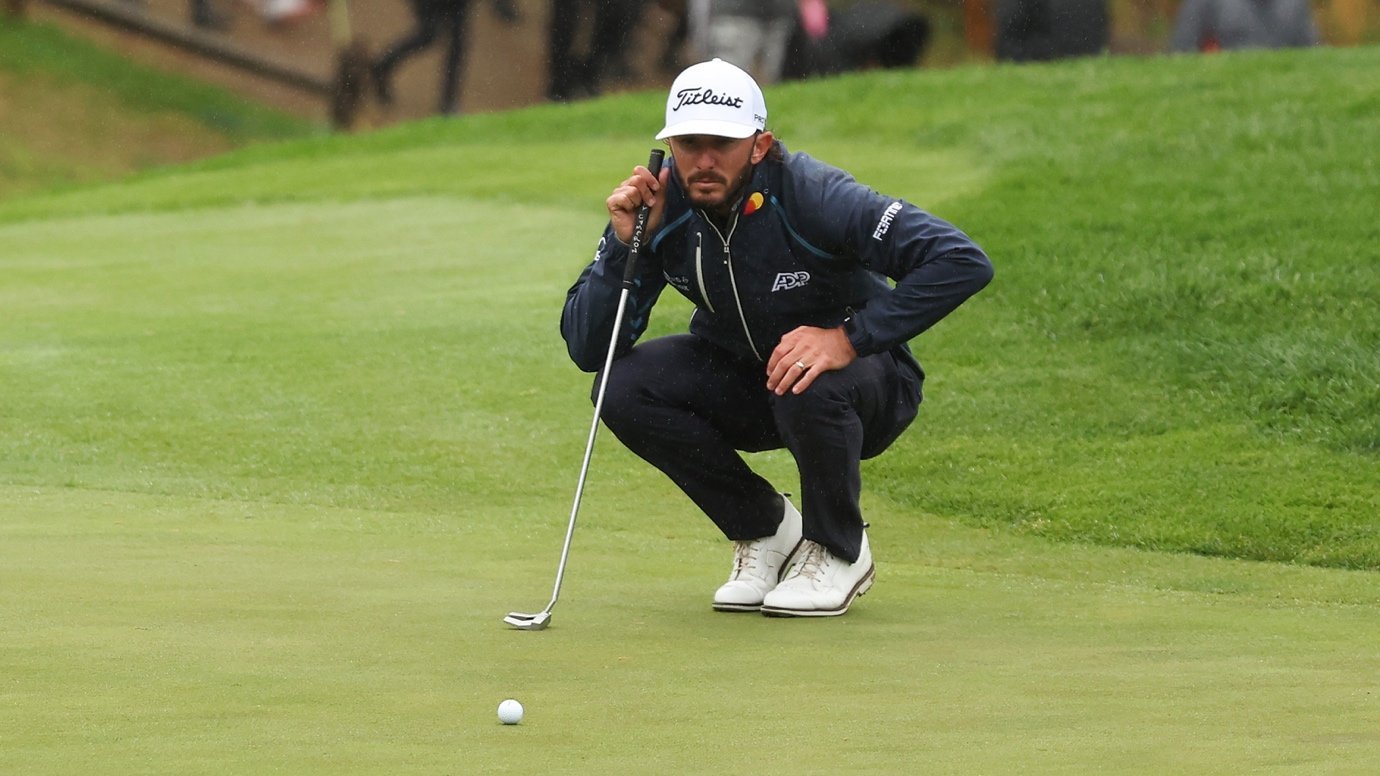
A useful way to improve on slower greens is to judge the surface carefully before choosing the pace of your putt. Green speed can vary between courses and even between different parts of the same putting surface.
Take note of the green’s condition as you approach your ball. Look at the grass, consider recent weather and notice how your earlier putts have rolled. These observations can help you judge whether the surface needs a firmer stroke.
Here are a few adjustments to consider:
- Allow for extra pace: Slow greens usually require more energy to reach the hole, but avoid forcing the stroke.
- Use a longer follow-through: A slightly longer movement can help you maintain momentum through impact.
- Commit to your chosen line: Once you have judged the break and pace, trust your decision rather than changing your mind over the ball.
- Use practice strokes: Make a few rehearsals to develop a feel for the distance before taking your putt.
Good putting is about adapting to the conditions rather than expecting every green to play the same way. The more attention you give to surface speed, the easier it becomes to make suitable adjustments.
Build Better Feel and Confidence with Putting Practice
Improving your performance on slow greens takes regular practice. Practising specific exercises can improve your distance judgement, encourage cleaner contact and help you feel more comfortable over the ball.
Add the following five exercises to your next putting practice.
- Gate Drill
Place two tees slightly wider than your putter head, leaving enough room for the putter to pass between them. Position the gate a short distance in front of the ball and practise making clean strokes without touching either tee.
This exercise encourages consistent contact and helps you keep the putter moving along your intended path.
- Ladder Drill
Choose distances of 3, 6, 9 and 12 feet. Try to roll each ball towards its target distance, paying attention to how far it travels rather than concentrating only on whether it reaches the hole.
This exercise is especially helpful for developing better distance control on slower surfaces.
- One-Handed Drill
Practise putting with your trail hand only. Keep the movement relaxed and focus on producing a smooth stroke rather than adding unnecessary force.
This exercise helps develop awareness of the putter head and encourages a more natural sense of touch.
- Clock-Face Drill
Place six to eight balls around the hole at different positions, ideally between three and six feet away. Putt each ball towards the cup, working through different angles and breaks.
It helps you practise short putts from several directions and become more comfortable with changing lines.
- Eyes-Closed Drill
Start with a short, straight putt and take a moment to picture the intended stroke. Close your eyes just before making the movement, then pay attention to how the contact and pace feel.
Use this as an occasional exercise to develop awareness of your stroke, rather than a replacement for normal putting practice.
Practise these drills regularly and record your results. Over time, you should develop a clearer understanding of how much pace different putts require.

Useful Training Aids for Improving Your Putting Touch
Practice is essential, but suitable putting training aids can also help you work on specific parts of your technique. They are particularly useful when you cannot get to the course as often as you would like.
A few options worth considering include:
- Putting mats: Useful for practising stroke consistency and distance control indoors. Choose one that allows you to work on different putting lengths.
- Alignment sticks: Help you check your stance, target line and putter path during practice.
- Putting mirrors: Allow you to review your eye position, shoulder alignment and setup.
- Golf ball alignment lines: Give you a visual reference when aiming the ball towards your intended target.
Before investing in any equipment, consider what part of your putting needs improvement. The most useful training aid is one that addresses a specific weakness and gives you helpful feedback.
The aim is to improve your technique and feel, not become dependent on equipment.
The Mental Side of Putting on Slow Greens
Putting on slow greens is as much a mental challenge as a technical one. When several putts finish short, it is easy to become frustrated and start questioning every decision.
That frustration can create tension in your hands and shoulders, making it harder to produce a smooth stroke. A more relaxed approach allows you to concentrate on your target and maintain your natural rhythm.
Try these habits to improve your focus:
- Visualise the putt: Picture the ball travelling along your chosen line and reaching the hole at the right pace.
- Take a steady breath: A brief pause can help settle your nerves before addressing the ball.
- Move on from previous misses: Treat every putt as a fresh opportunity rather than carrying frustration into your next attempt.
- Focus on the quality of your stroke: Judge your routine and execution rather than relying entirely on whether the ball drops.
These small habits can make a difference when you are under pressure. A consistent routine gives you something familiar to rely on, even when the greens are not playing as expected.
Improving your overall technique can also help build confidence across the course, so explore our guide on how to improve your golf swing for practical advice on developing a more consistent game.
Adaptation Is a Status: How Pros Handle Slow Greens
Professional golfers regularly face different green speeds throughout the season. Weather, grass type and course maintenance can all affect how the ball rolls, so players need to assess the conditions and make adjustments.
Rather than trying to force their usual stroke, experienced players focus on adapting their preparation and pace.
Some useful habits to learn from include:
- Adjusting stroke length: A longer backswing and follow-through can help generate the pace needed on slower surfaces.
- Maintaining a smooth rhythm: Controlled acceleration helps avoid a sudden hit at impact.
- Using a consistent routine: Repeating the same preparation process can improve concentration and confidence.
- Practising on different surfaces: Experience with varying green speeds makes it easier to adapt during a round.
You do not need a professional’s level of experience to use these habits. Paying attention to the conditions and making small adjustments can help you become a more reliable putter.
Reset Rituals: How to Turn Frustration Into Flow
Even confident golfers miss short putts and struggle with distance control. The important thing is how you respond. Allowing one poor stroke to affect the next can quickly turn a difficult hole into a frustrating round.
A simple reset routine can help you regain focus.
- Step away from the putt: Take a moment to relax rather than rushing into your next stroke.
- Make a fresh assessment: Read the line and consider the speed of the surface again.
- Keep a putting record: Note where your putts finish and whether you regularly leave them short or hit them too far.
- Practise pace control regularly: Short, focused sessions can help maintain your touch between rounds.
- Experience different green speeds: Practising on both faster and slower surfaces improves your ability to adjust.
Consistency comes from preparation and practice. You cannot control the condition of every green, but you can improve how you respond to it.

Gear Up Like a Pro: Tools That Make Slow Greens Feel Easy
Your equipment can influence how comfortable and confident you feel on the putting surface. However, changing your putter or golf ball will not automatically solve problems with distance control. Technique and practice remain the most important factors.
Consider these points when reviewing your equipment:
- Putter weight: Different putter weights can affect how the club feels during the stroke. Try a few options to find one that suits your natural tempo.
- Golf ball feel: Ball construction can influence the feel you get from the putter. Choose a ball that gives you consistent feedback and suits your overall game.
- Grip pressure: Holding the putter too tightly can create unnecessary tension. Aim for a relaxed but secure grip.
- Putter face condition: Keep the striking surface clean so dirt and debris do not interfere with contact.
The right equipment should support your technique rather than compensate for an inconsistent stroke. Focus on finding a putter and ball that feel comfortable and allow you to control your pace.
Confidence Is a Skill, Build It Like One
Slow greens can test your patience, but they also give you an opportunity to improve your approach to putting. Confidence develops through preparation, repetition and learning from each round.
When you face a long putt on a slower surface, take a moment to assess the distance and choose a suitable pace. Trust the stroke you have practised instead of trying to force the ball towards the hole.
Remind yourself:
“I know my routine. I trust my pace and commit to my stroke.”
A confident approach will not guarantee that every putt drops, but it can help you make more consistent decisions and avoid unnecessary mistakes.
Closing Note: Master the Surface, Master Yourself
Every golf course presents different challenges. Sometimes the difficulty comes from the weather, while on other days it is the condition and speed of the greens.
The best putting tips for slow greens are not simply about hitting the ball harder. They involve developing a reliable tempo, judging distance carefully and staying composed when a putt does not go your way.
Make time for purposeful practice, use suitable training aids and pay attention to how your stroke changes across different surfaces.
You may not be able to control green speed, but you can control your preparation, technique and attitude. Master those habits and you will be better equipped to handle slower greens.
FAQs about Master Tempo-putting
What is the best way to putt on slow greens?
Give the ball a little more forward movement by lengthening your stroke without rushing it. Keep your putting action steady and controlled, allowing enough pace for the ball to travel the required distance. Avoid a sharp or forceful hit.
How can I become more accurate when putting on slow greens?
Work on drills that improve your judgement of distance, including the ladder drill and practising with one hand. These exercises help you understand how much force to apply and develop a more reliable putting action.
What makes slow greens difficult to putt on?
On slower surfaces, the ball comes to a stop sooner, which means golfers must adjust the length and speed of their putting stroke. A technique suited to faster greens may not provide enough power, causing the ball to finish short of the target.
Are putting aids useful when practising for slow greens?
They can be helpful for developing different aspects of your putting technique. A putting mat allows you to practise your stroke indoors, while alignment sticks and putting mirrors help you check your setup and stroke path. However, practising on actual greens remains important because surface conditions can vary.
Do beginners usually play on slower greens?
Green speed is determined by the course conditions, including the grass variety, maintenance routine and weather, rather than the ability of the players. However, a slower surface can give new golfers an opportunity to practise judging distance and become more comfortable with their putting technique.