Discover how to choose the best golf gloves for your game in 2026. From finding the right fit to comparing materials, comfort and durability, this guide covers what UK golfers should look for. Why Choosing the Right Golf Glove Matters A golf glove might seem like a small part of your equipment, but it can …

Discover how to choose the best golf gloves for your game in 2026. From finding the right fit to comparing materials, comfort and durability, this guide covers what UK golfers should look for.
Why Choosing the Right Golf Glove Matters
A golf glove might seem like a small part of your equipment, but it can make a noticeable difference to how confidently you hold the club. A well-fitting glove helps maintain a secure grip, particularly during longer rounds or when conditions become damp.
Whether you’re new to golf or have been playing for years, choosing the right glove is about finding a balance between comfort, feel and durability. In this guide, we’ll explain how to choose the best golf glove, what to consider before buying and which popular options are worth exploring in 2026.
A well-fitting glove supports a secure hold on the club, but learning a proper golf grip is just as important for building a consistent swing.
Key Factors to Consider When Choosing a Golf Glove
When looking for the best golf glove for your game, pay attention to these important features.
1. Leather vs. Synthetic
- Leather Golf Gloves: Cabretta leather is popular for its soft feel and close contact with the club. Gloves from brands such as Titleist and FootJoy offer excellent comfort, although leather may wear more quickly with frequent use.
- Synthetic Golf Gloves: Usually more hard-wearing and flexible, synthetic materials are a practical choice for regular practice and changing weather conditions.
- Hybrid Gloves: These combine leather and synthetic panels to provide a comfortable grip while improving flexibility and durability.
2. Fit and Comfort
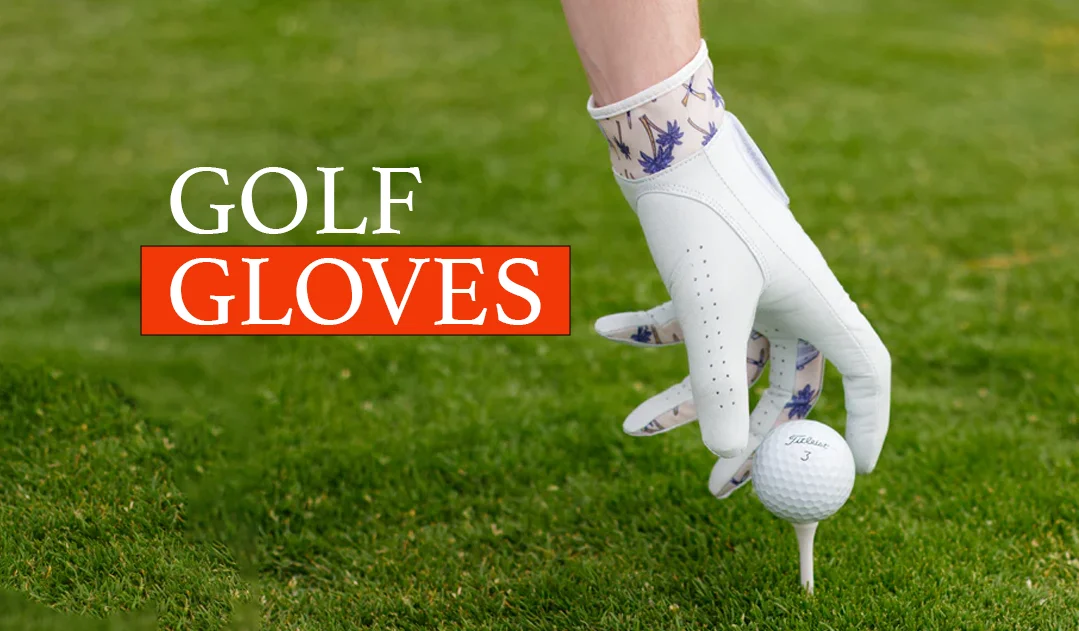
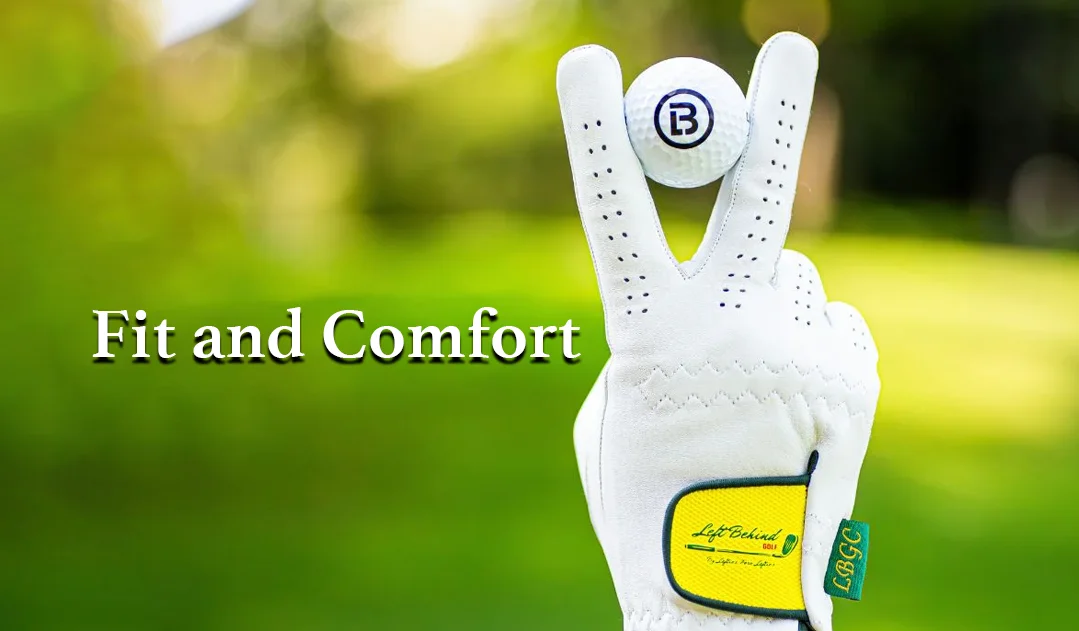
A golf glove should fit comfortably, providing a secure feel without being too tight or limiting your hand movement. Ideally, it should sit smoothly across your palm, with little excess material around the fingers.
- Check that the fingertips fit properly without leaving noticeable gaps.
- Hold a golf club to see whether the material gathers around your palm.
- Measure your hand and compare the result with the manufacturer’s sizing chart.
A glove that is too loose can move during your swing, while one that is too tight may feel uncomfortable after several holes.
3. Weather Conditions
British weather can change quickly, so it’s worth choosing a glove that suits the conditions in which you normally play.
- Hot Weather: Lightweight gloves with breathable panels can help reduce discomfort from sweaty hands.
- Rainy Weather: Dedicated rain gloves are designed to maintain grip when wet, making them useful for year-round UK golfers.
- Cold Weather: Winter golf gloves provide additional warmth while allowing you to maintain control of the club.
If you regularly play throughout autumn and winter, keeping a separate pair of rain gloves in your bag can be particularly useful.
4. Durability
A golf glove needs to withstand repeated gripping, friction and exposure to different weather conditions. Leather gloves generally offer a softer feel, but synthetic alternatives may provide better value for golfers who practise frequently.
Look for reinforced areas, reliable stitching and materials that hold their shape. It’s also worth checking customer feedback to see how a particular model performs after regular use.
5. Price vs. Quality
Golf gloves are available at different price points, with many everyday options costing around £10 to £20 and premium leather models often priced higher.
Brands such as FootJoy, Callaway and Titleist offer gloves for different playing preferences, while TaylorMade and other established manufacturers provide practical alternatives.
Rather than choosing solely on price, consider how frequently you play and whether you prioritise softness, durability or all-weather performance.
6. Superior Grip for Maximum Control
One of the main reasons golfers wear a glove is to maintain a secure connection with the club. A comfortable, well-fitting glove can reduce unwanted movement between your hand and the grip.
Leather gloves are often preferred by players who value a close, responsive feel. However, when playing in persistent rain, specialist wet-weather gloves may provide more reliable traction than standard leather options.
Remember that clean, well-maintained club grips are just as important as the glove itself.
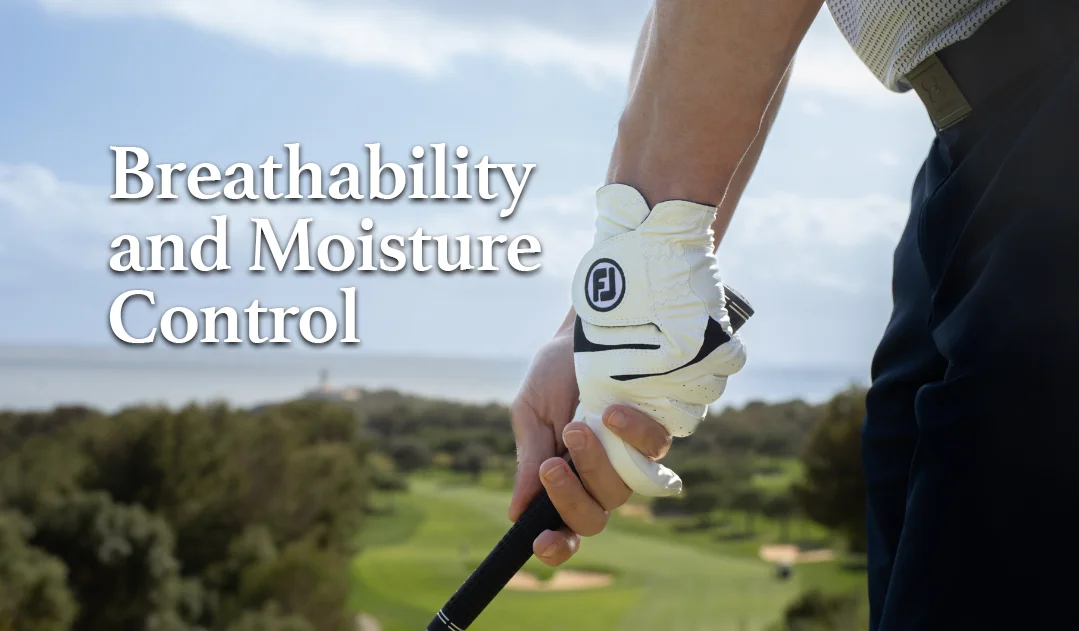
7. Breathability and Moisture Control
Your hands can become warm and sweaty during summer rounds, particularly when walking the course. A glove with good ventilation can help improve comfort and reduce moisture build-up.
Look for breathable mesh sections, perforated fingers or flexible synthetic panels. These features allow air to circulate more easily and can make the glove more comfortable during a full round.
If your hands sweat heavily, carrying a spare dry glove is another simple way to maintain a consistent grip.
8. Premium Material and Comfort
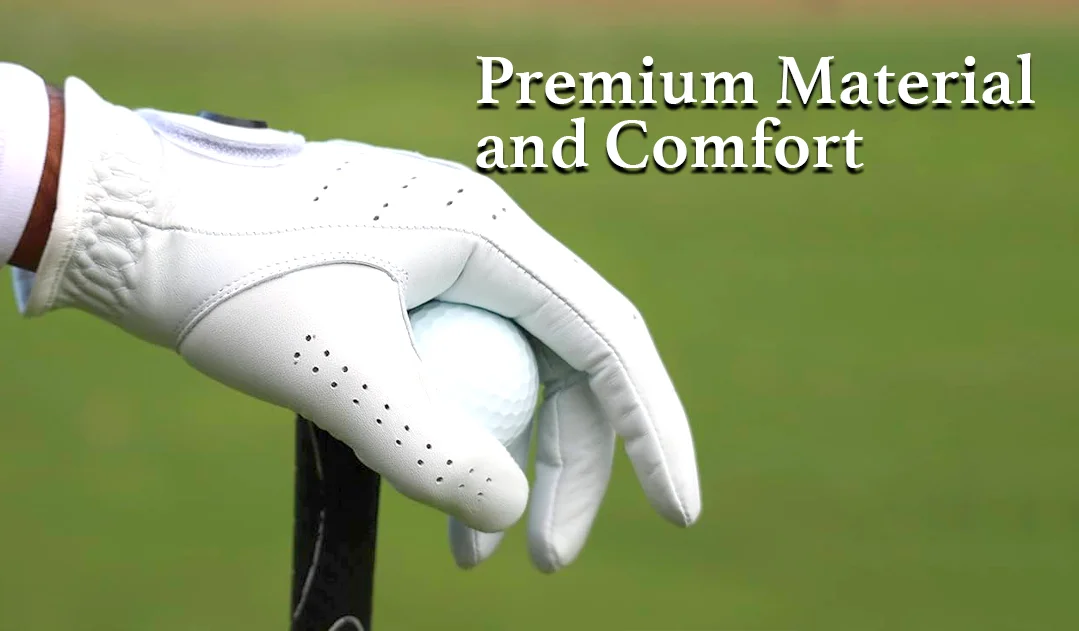
The material of a golf glove influences how it feels, fits and performs over time.
Cabretta leather is known for its soft texture and close-fitting feel, which appeals to golfers who prefer greater feedback through their hands. Synthetic materials are often easier to maintain and can withstand regular use.
Hybrid designs offer another option, combining a leather palm with flexible synthetic sections. The best choice depends on your preferences, playing frequency and typical course conditions.
9. Flexibility
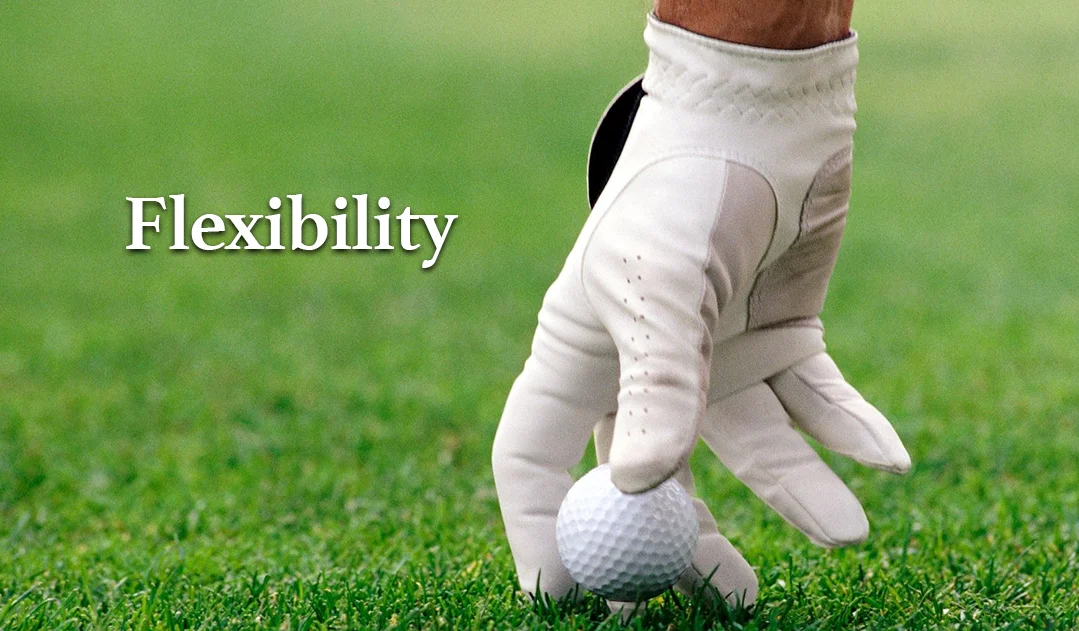
A good golf glove should move naturally with your hand. You need enough flexibility to grip and release the club comfortably without the fabric pulling tightly across your knuckles.
Check how the glove feels when you close your hand around a club. If the material bunches up, the size may be too large. If your fingers feel restricted, try a different size or fit.
Pro tip: Whenever possible, try the glove while holding a golf club rather than judging the fit with your hand open.
Top Golf Glove Brands in 2026
Several established golf brands offer gloves suited to different budgets and playing styles. Popular models UK golfers may want to consider include:
- FootJoy StaSof: A premium leather option for golfers who prioritise softness and feel.
- Titleist Players Glove: Designed for a close fit and responsive connection with the club.
- Callaway Opti-Fit: A practical option with adjustable fastening and comfortable construction.
- TaylorMade Stratus: A leather and synthetic design that balances feel with everyday durability.
- Nike Dura Feel: A familiar synthetic-focused option, although availability may vary between UK retailers.
Before buying, compare the current model specifications, sizing and retailer availability.
When Should You Get a New Golf Glove?
There isn’t a fixed number of rounds that every golf glove will last. Some golfers may notice wear after 10 to 15 rounds, while others can use the same glove for considerably longer.
Consider replacing yours if you notice:
- Holes or thinning material around the palm and fingers
- A noticeable reduction in grip
- Stretching that causes the glove to feel loose
Pro tip: Rotating between two or three gloves gives each one time to dry between rounds and may help extend their useful life.
Care Tips to Make Your Golf Glove Last Longer
- Air Dry: Remove your glove after playing and allow it to dry naturally before putting it away.
- Clean Gently: Wipe away light dirt with a soft, slightly damp cloth, following the manufacturer’s care instructions.
- Store Properly: Keep the glove flat or use a glove holder to help maintain its shape.
Avoid leaving damp gloves inside a closed golf bag for long periods, as this can affect their condition and comfort.
Best Golf Gloves for Beginners vs. Professionals
- Beginners: A reasonably priced synthetic or hybrid glove, such as the TaylorMade Stratus, can provide a useful balance of comfort and durability while you’re developing your swing.
- Advanced Players: Golfers who prefer a softer feel may favour premium leather options such as the FootJoy StaSof or Titleist Players Glove.
Your playing ability doesn’t necessarily determine which glove you should buy. A beginner may appreciate premium leather, while an experienced golfer might prefer a durable synthetic design for practice.
Final Thoughts: Which Golf Glove Should You Buy?
The best golf glove for you depends on how comfortably it fits, the conditions you play in and the level of feel you prefer.
If you value softness and close contact with the club, a leather glove from FootJoy or Titleist may be worth considering. For frequent practice, synthetic and hybrid options can offer practical durability at a more accessible price.
UK golfers who regularly play in wet conditions should also consider keeping dedicated rain gloves available.
Above all, choose a glove that fits properly and feels comfortable when gripping your club.
FAQs About How to Choose Golf Gloves
Is Wearing a Golf Glove Essential?
A golf glove isn’t compulsory, but many golfers find that it improves grip comfort and helps reduce friction during repeated swings. Some players prefer playing without one.
Is It Better to Wear Golf Gloves on Both Hands?
Most right-handed golfers wear a glove on their left hand, while left-handed golfers usually wear one on their right. Wearing gloves on both hands can be helpful during cold or rainy rounds.
Are leather gloves better than synthetic?
Leather gloves generally provide a softer feel, while synthetic designs often offer greater durability and flexibility. There is no single best choice for every golfer.
How Can You Choose the Right Golf Glove Size?
Measure your hand according to the manufacturer’s instructions and compare it with their sizing guide. The glove should fit closely around your palm and fingers without feeling restrictive.