
Improving your putting does not always require expensive training equipment. Sometimes, a simple golf towel is enough to make your practice sessions more focused. Used as a guide behind the ball, a towel can help you control the length of your backstroke, develop a smoother rhythm and become more consistent on the greens. In this …
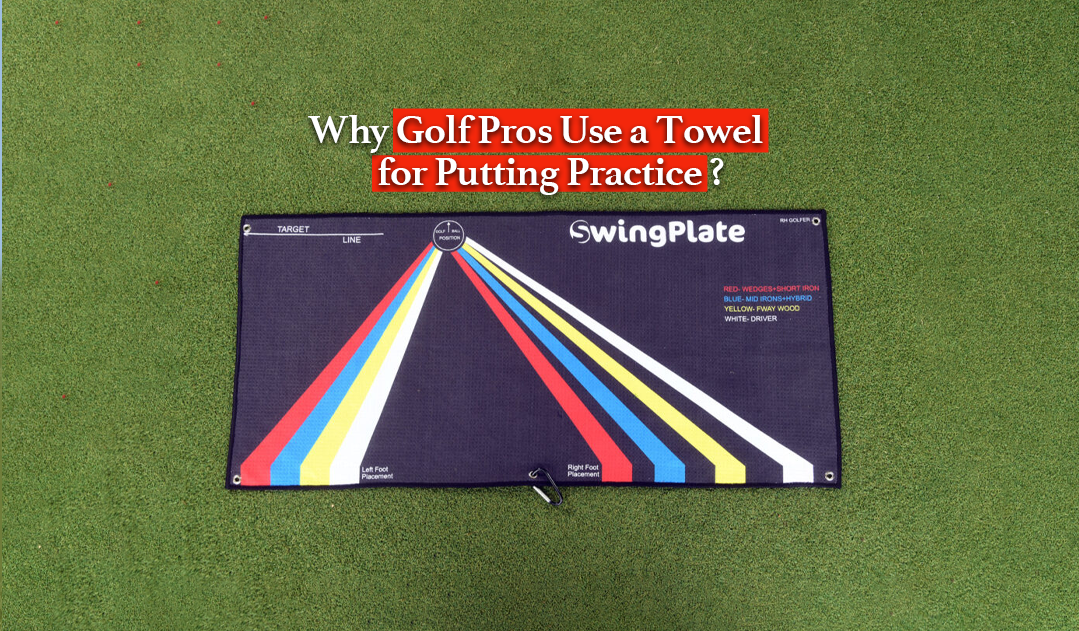
Improving your putting does not always require expensive training equipment. Sometimes, a simple golf towel is enough to make your practice sessions more focused. Used as a guide behind the ball, a towel can help you control the length of your backstroke, develop a smoother rhythm and become more consistent on the greens.
In this guide, we explain how the towel drill works, how to practise it correctly and how to combine it with other putting exercises.
Why Putting Practice Matters
Putting accounts for a significant proportion of the shots played during a round of golf. Even a powerful and accurate long game can be let down by missed short putts or poor distance control.
Regular practice can help you develop a more reliable stroke, improve your feel on the greens and save shots over time.
Working on your putting can help you:
- Become more confident over short putts.
- Improve distance control on longer putts.
- Develop a more consistent putting rhythm.
- Reduce unnecessary three-putts.
- Make better use of scoring opportunities.
What Is the Towel Drill in Putting?
The towel drill is a simple exercise that uses a folded golf towel as a reference point behind the ball. It helps you become more aware of how far your putter travels during the backswing.
The aim is to make a controlled stroke without allowing the putter head to travel too far backwards and hit the towel. This encourages better control of stroke length rather than relying on an excessively long backswing.
Why Does the Towel Drill Work?
A towel provides immediate feedback during practice. When your putter touches it, you can recognise that your backswing may be longer than intended.
With regular practice, the drill can help you:
- Control your backswing: Develop a more measured stroke and avoid taking the putter too far back.
- Build a consistent rhythm: Focus on making smooth, balanced movements rather than rushing the stroke.
- Improve distance control: Learn to adjust your stroke length to suit different putting distances.
- Develop awareness: Notice how much movement you need to strike the ball with the required pace.
The drill is mainly designed to improve stroke-length control. It does not replace practice with green reading, alignment or speed assessment.
How to Practise the Towel Putting Drill
You only need a golf ball, a putter and a towel to get started.
Step 1: Set Up the Towel
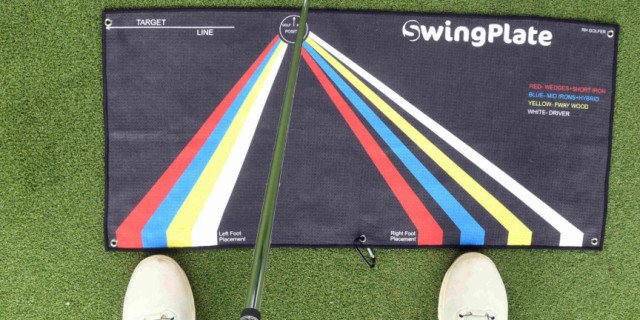
Choose a flat area of the putting green or an indoor putting mat. Place your ball in position and fold a towel so it sits just behind the ball, towards your feet.
Position the towel around two to three inches behind the golf ball. Adjust the gap to suit your stroke and the amount of backswing you want to practise.
Step 2: Make a Controlled Putting Stroke
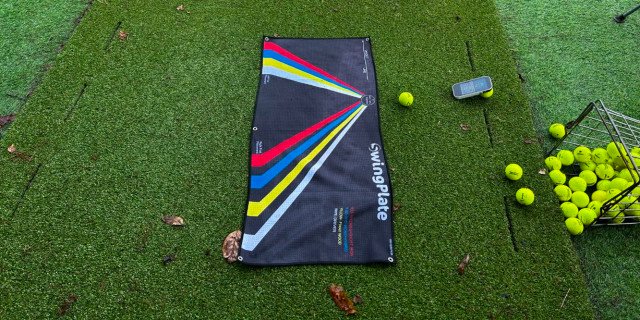
Take your normal putting stance and focus on moving the putter away smoothly. Keep the backswing controlled so the putter head does not touch the towel.
Then strike the ball with a steady forward movement, maintaining a balanced rhythm and a stable putter face.
Step 3: Check Your Stroke
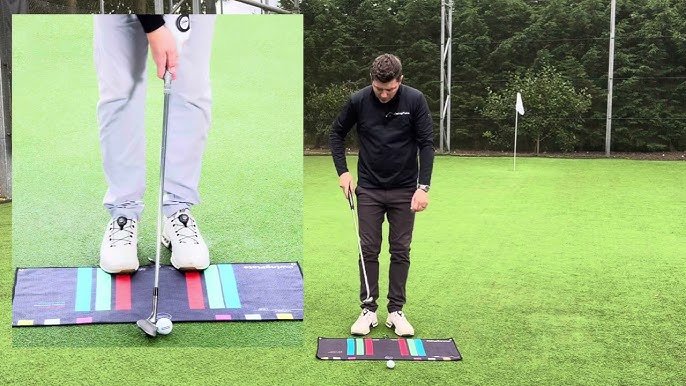
Pay attention to whether the putter touches the towel during your backswing. If it does, try reducing the length of your movement and repeating the stroke.
Practise several putts from the same distance before moving further away. The aim is to develop a repeatable stroke, not simply to make the shortest possible backswing.
Bonus Exercise: Combine the Towel Drill with a Putting Gate
You can make your practice more challenging by combining the towel drill with a putting gate.
Place two tees on the ground, one on either side of your putter head, leaving just enough room for it to pass through without touching them. Position them along your intended stroke path.
The towel helps you monitor backswing length, while the tees provide feedback on your putter’s movement. Together, they give you two simple ways to check your control.
Tips for Better Putting Practice
To get more from this exercise, keep your sessions focused and practise regularly.
- Start with short putts from around three to six feet.
- Use a flat surface before moving on to breaking putts.
- Avoid gripping the putter too tightly and aim for smooth, comfortable movements.
- Practise with different stroke lengths to develop distance control.
- Spend around 10–15 minutes on the drill rather than rushing through repetitions.
Remember that the towel is a training aid, not a substitute for practising real putting situations. Use it to develop control, then test your progress with putts from different distances.
FAQs About the Towel Putting Drill
Can beginners use the towel putting drill?
Yes. Beginners can use this exercise to become more aware of their backswing length and develop a controlled putting routine. Start with short putts and a comfortable towel position.
What type of towel should I use?
A standard golf towel is suitable. Fold it to create a compact shape and adjust its position behind the ball to provide a clear reference point.
How often should I practise the towel drill?
Try practising for 10–15 minutes during each putting session. Repeating the exercise a few times a week can help you become more familiar with your stroke.
Can I use the towel drill on an indoor putting mat?
Yes. The exercise works on most indoor putting mats as well as practice greens, provided you have enough space to position the towel behind the ball.
Final Thoughts
A golf towel can be a useful and inexpensive addition to your putting practice. The drill gives you a simple way to monitor your backswing, work on a consistent rhythm and develop better control over your stroke.
Use it alongside regular putting practice, including distance control and green reading exercises. Small improvements in consistency can make a difference to your confidence and scoring over time.
For advice on developing your overall technique, read our guide on how to improve your golf swing.